
This post may contain affiliate links. Please read our disclosure policy.
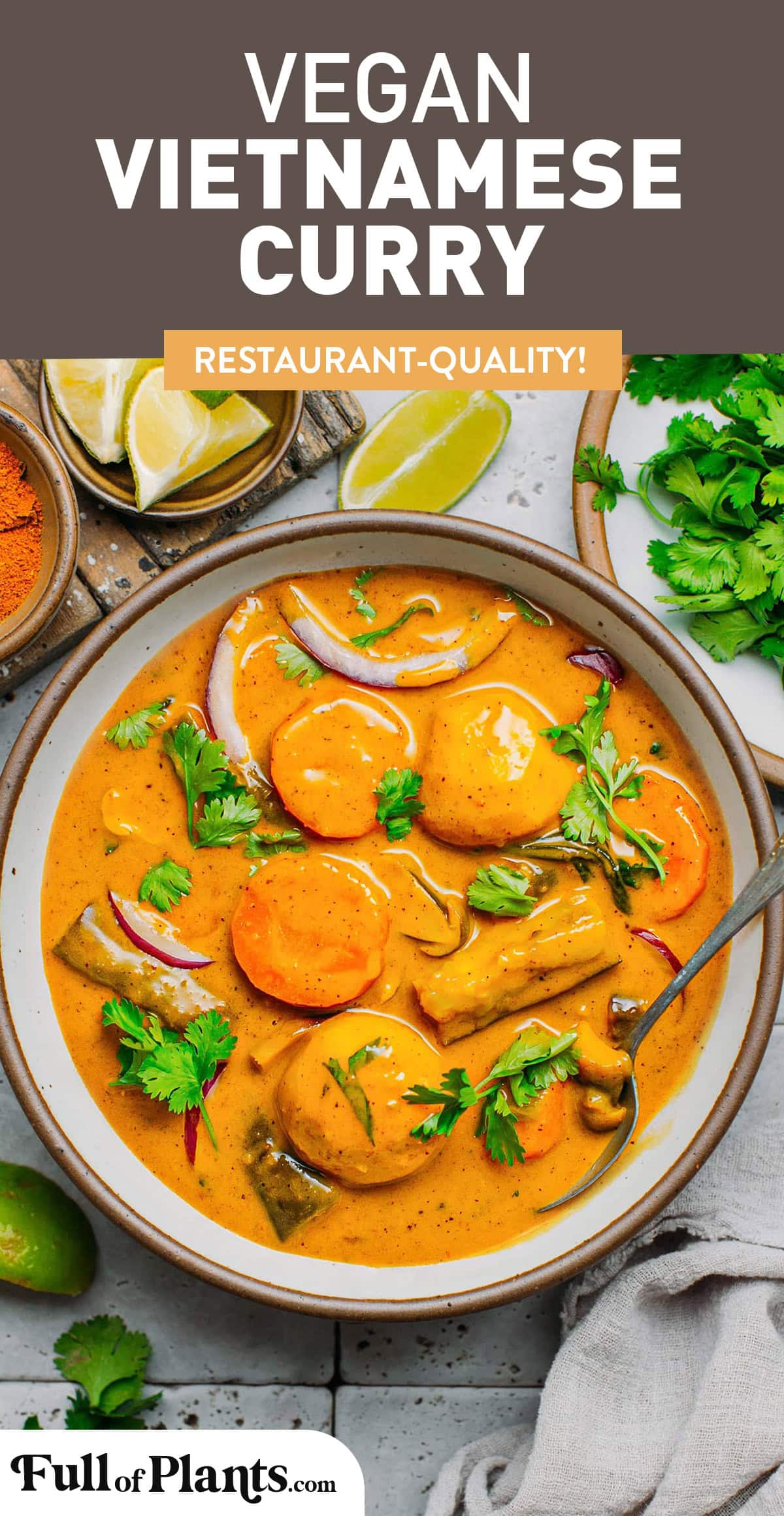
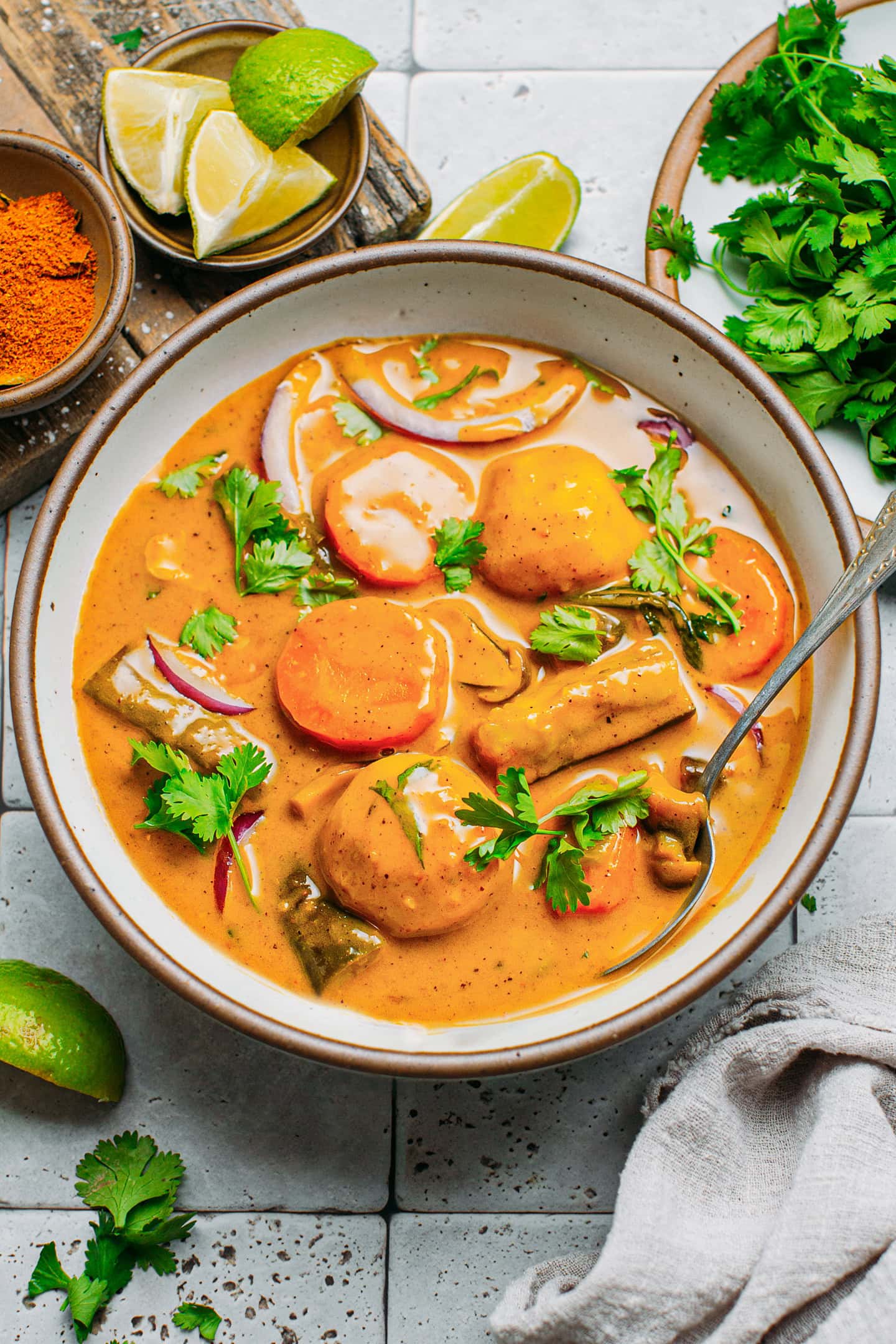
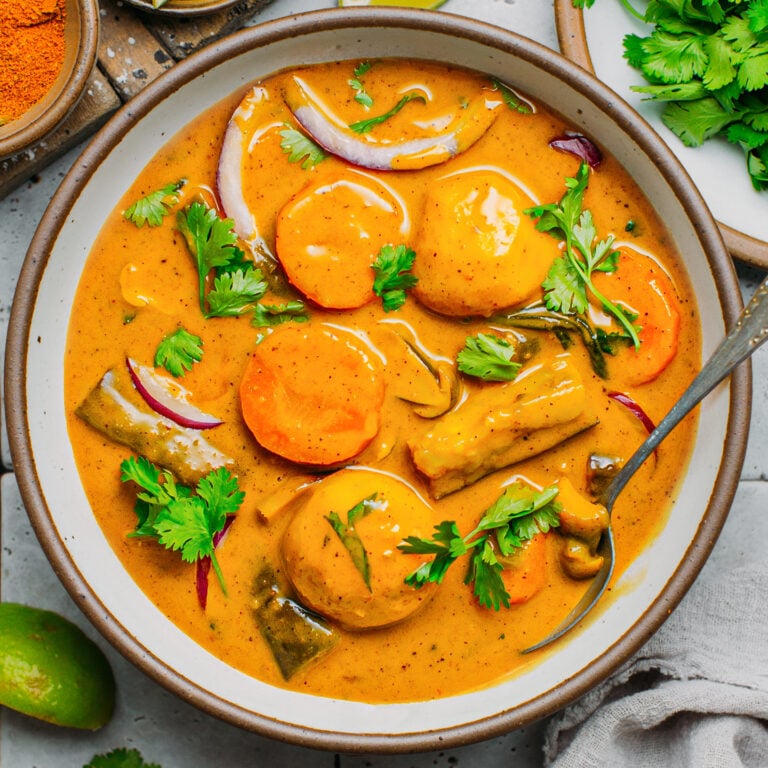
This one-pot Vietnamese curry (Cà ri) is loaded with taro, sweet potatoes, and carrots and infused with citrusy aromatics such as ginger, lemongrass, garlic, and lime. It is super creamy, flavorful, hearty, and takes less than one hour to prepare!
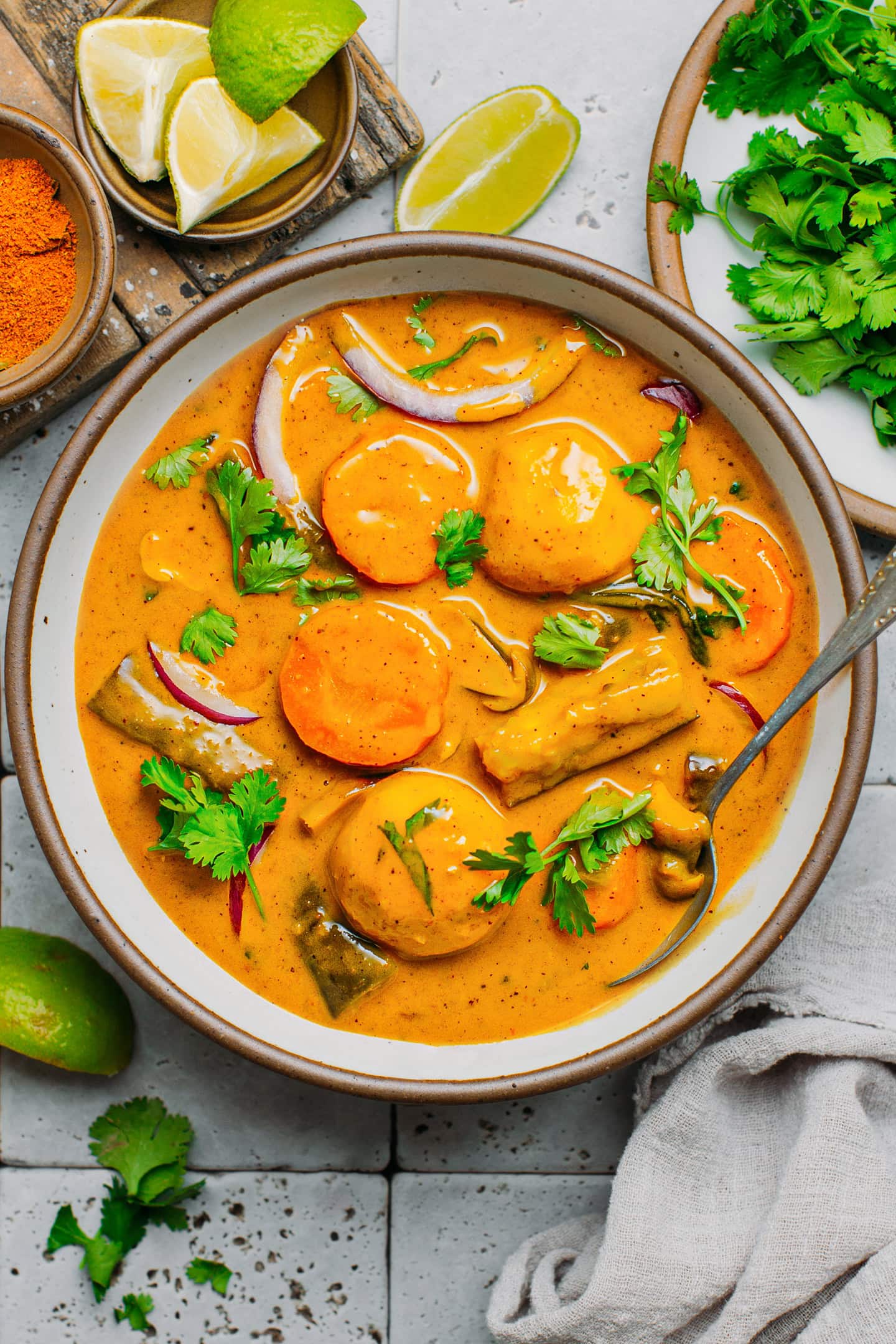
While I love different types of curries from all around the world, this Vietnamese curry is definitely my TOP #1 and holds a special place in my heart. There are many varieties of curries, with Indian and Thai often stealing the spotlight. Regrettably, Vietnamese curry often goes unnoticed. That’s a shame because it’s truly a gem and needs more appreciation!
My version of this curry is based on my Vietnamese mother-in-law’s recipe, so you can be sure it’s as authentic as it gets. It features plenty of fresh aromatics such as lemongrass, shallot, ginger, and garlic for sharp and zesty notes, coconut milk and fragrant spices for warmth and nuttiness, and packs hearty vegetables like taro, sweet potatoes, and eggplants.
If you have never tried Vietnamese curry before, you are missing out on a flavor-packed dish! Its velvety-smooth creaminess, well-balanced flavors, and a hint of sweetness make it absolutely addictive!
⭐️ Why You Will Love It
Restaurant-quality curry at home.
If you have ever wondered how to recreate those rich, buttery, and fragrant flavors you get from the restaurant at home, you came to the right place. Saying that this curry tastes good is an understatement—it tastes AMAZING. The super creamy curry sauce has a wonderful balance of sweet, salty, and subtly spicy flavors that are enhanced by the floral notes of the lemongrass.
Ultra creamy, savory, hearty.
As opposed to many Indian curries, this one is not tomato-based, allowing the lemongrass, ginger, and coconut milk flavors to really shine through. The curry powder mix also differs as it has more pronounced anise and coriander, giving this silky-smooth curry herby and citrusy notes. Lastly, the taro, carrots, and sweet potatoes make it extra hearty!
It’s also a reader’s favorite with raving reviews:
Kerrin, a reader, said: “★★★★★ OMG!! I made this today, and it was so good. It is very much like the tofu curry at my fave Vietnamese restaurant in my town. I used sweet potato, broccoli, and carrots since I don’t like eggplant. I also added a little extra chili powder because we like spicy in my house. So good!!”
Amanda said: “I made this today for my Sunday meal prep, and it was SO delicious! I especially love the taro. I subbed the curry powder with Vietnamese curry soup base powder my family had on hand, and it worked like a charm! Topping off with lime really adds a certain brightness to the dish and brings it together. It will be a staple in my curry rotation for sure.”
Made in one pot (almost).
I said almost because I recommend frying the taro and sweet potatoes in a pan (although you can also use your air fryer) prior to adding them to the pot. This step prevents those root vegetables from crumbling too much in the curry during cooking. It is, however, optional, and I have made this curry before by skipping this step out of laziness. The result was still fantastic so if you are short on time, don’t stress it out and simply skip this step.
The rest of this curry is made entirely in one pot, so get your Dutch oven out and let’s start cooking!
📘 What Is Vietnamese Curry
Vietnamese curry (“Cà ri”) is a popular dish in Central and Southern Vietnam. It is said that curry was introduced to Viet Nam by Indian and Khmer traders in the 18th century. Vietnamese then tweaked it to their taste by adding taro, sweet potatoes, and different veggies, as well as a toned-down curry powder.
There are many different types of Vietnamese curries, such as “Cà ri gà,” which refers to chicken curry, “cà ri cá,” which is cooked with fish, or “cà ri chay,” which means vegetarian curry. Here, I will show you how to cook the latter.

🥔 Ingredient Notes
This curry requires just a few wholesome ingredients. Here is what you will need:
Aromatics
The initial base layer of this recipe consists of lemongrass, ginger, garlic, and shallots, which contribute to lemony, spicy, and floral notes.
Ginger: Use fresh ginger root. It should be firm with smooth skin.
Lemongrass: I personally use frozen minced lemongrass as I find it convenient. You can find frozen minced lemongrass in the freezer section of most Asian supermarkets. Instead of using minced lemongrass, you can also use two lemongrass stalks crushed. Discard them before serving.
Curry powder
Then, for the main flavor, comes the curry powder. Vietnamese curry powder is different from most Indian curry powders. It is usually milder and has a more pronounced anise flavor. You can find Vietnamese curry powder online or make your own by checking out my recipe for Vietnamese curry powder!
Please don’t use Indian curry powder for this recipe – it would yield a completely different flavor.
Taro
Vietnamese curry often includes taro for a heartier meal. You can usually find taro in produce markets or in the frozen section of Asian grocery stores. Never heard of taro? Check out my guide on What is Taro!
Potatoes
When it comes to potatoes, you have three options: opt for a mix of starchy baby potatoes and white sweet potatoes or use one or the other. I generally tend to use both as I like the contrast of textures and flavor. If you use both, I suggest going with 1/2 cup of diced sweet potatoes and 2-3 baby potatoes.
Note: Ensure you use starchy baby potatoes. They will stay whole and won’t crumble in the curry.
Substitute: Taro and white sweet potatoes may not be easy to find for everyone, so if you don’t have access to any of those, you can just replace them with regular starchy potatoes.
Carrots
For optimal flavor, use carrots from your local market. Avoid carrots sold in plastic bags, those are flavorless.
You can slice the carrots the way you prefer. Sometimes, I’ll cut them into sticks, sometimes into thick slices. It doesn’t really matter.
Eggplant
Any type of eggplant will work. If you don’t like bitter eggplants, pick Chinese or Japanese eggplants, as those tend to be less bitter than regular ones.
Mushrooms
Traditionally, it’s either straw mushrooms or shiitakes that are used. Since I am not the greatest fan of those, I simply use cremini mushrooms, but any mushroom will work.
Coconut Milk
Coconut milk is a key ingredient in this curry! It infuses it with sweetness and nuttiness and brings a ton of richness. In Vietnam, people tend to use freshly squeezed coconut milk from their local market, but canned full-fat coconut milk works great too.
I advise against using coconut cream, as it tends to separate during cooking and does not yield a smooth consistency.
Note: Not all coconut milks are equal and some have a fresher and nuttier flavor. I like the one from Grace or Thai Kitchen.
Salt and Sugar
Vietnamese cuisine, especially the Southern one, almost always relies on a combination of salt and sugar to season dishes. It helps balance the spices and sourness (that comes from the squeeze of lime added toward the end of cooking).
You can use regular granulated sugar, coconut sugar, or rock sugar.
🥣 How to Make It
1. Sauté the taro and potatoes
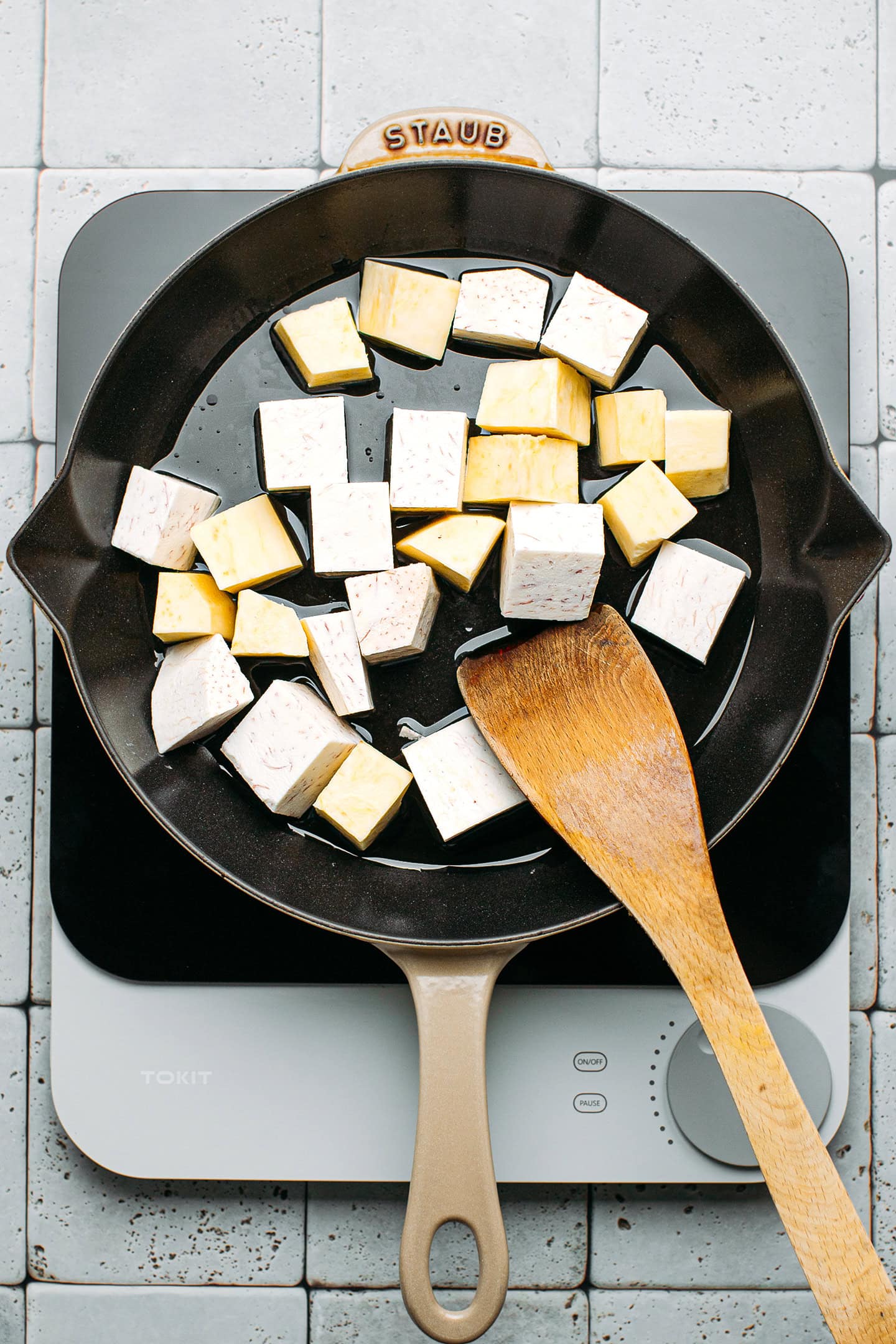
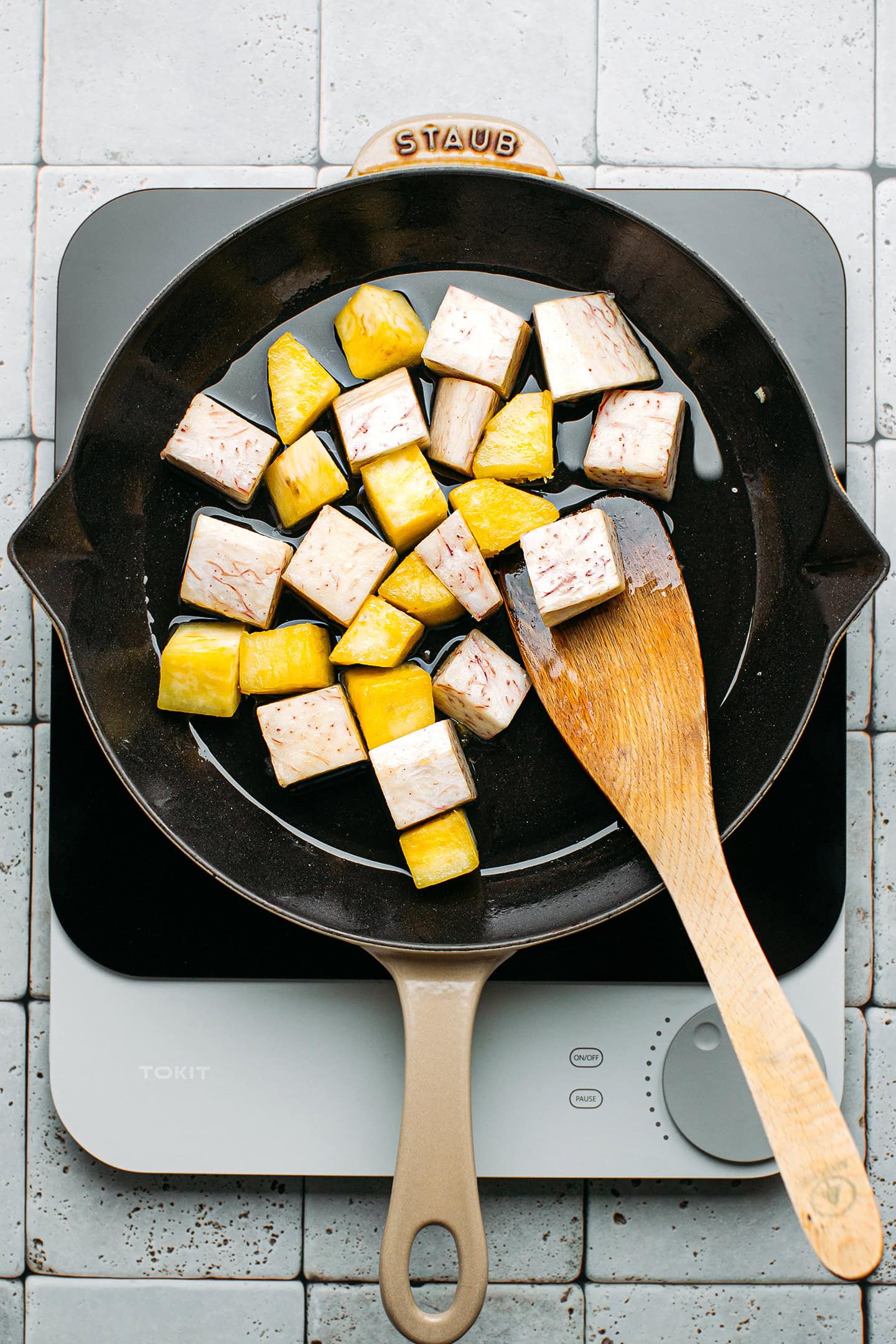
This recipe starts with the taro and sweet potatoes that are fried for a few minutes until crispy and golden brown. Why fry the root vegetables? Pan-frying or air-frying the taro and sweet potatoes creates a thin crust and prevents them from falling apart in the curry.
- Peel and slice the taro and sweet potatoes. Start by peeling the taro and sweet potatoes. Next, dice them into 1-inch cubes. Transfer to a bowl.
- Soak them. Cover the taro and sweet potatoes with cold water and allow them to soak for about 10 minutes. Rinse and pat them dry using kitchen paper towels.
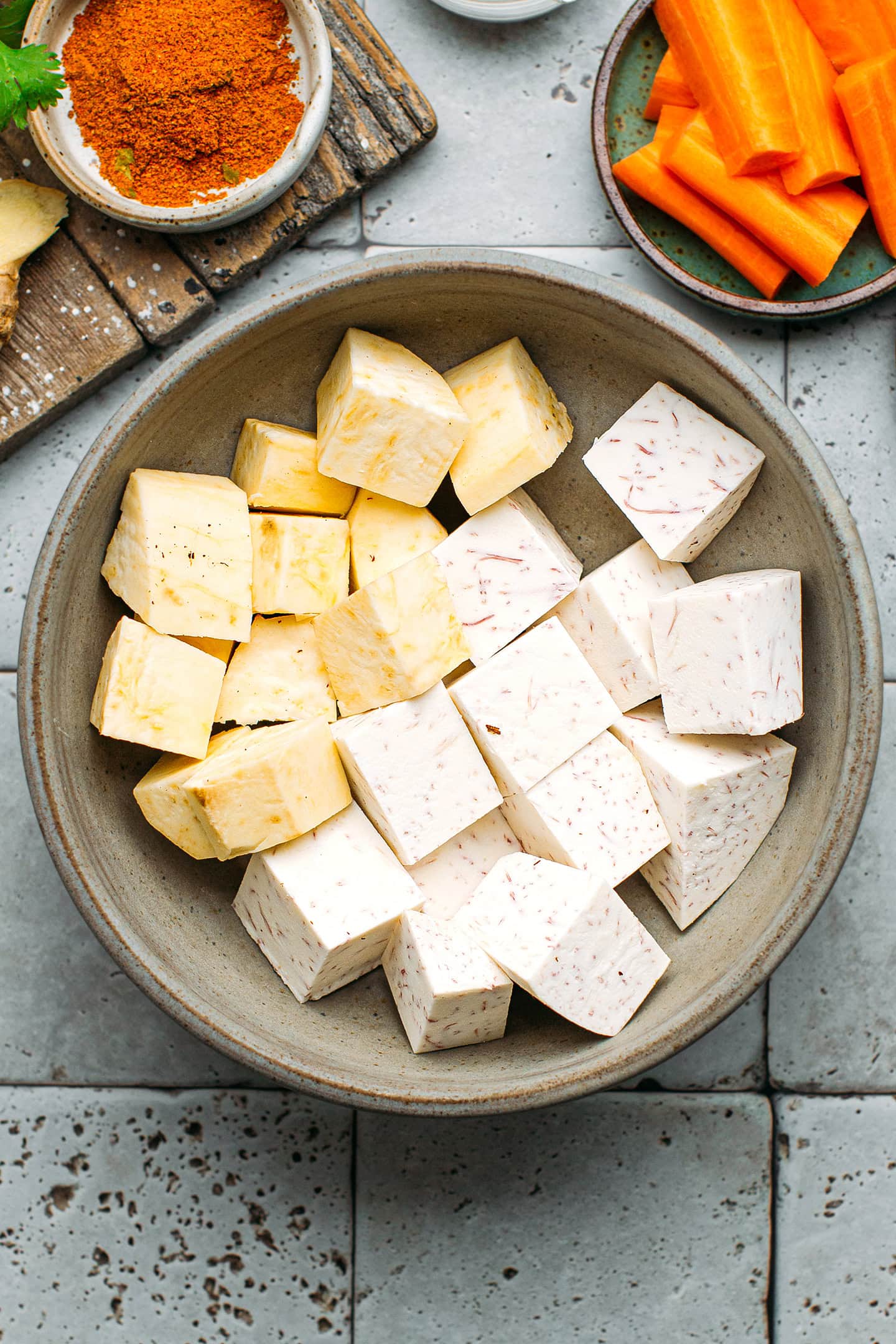
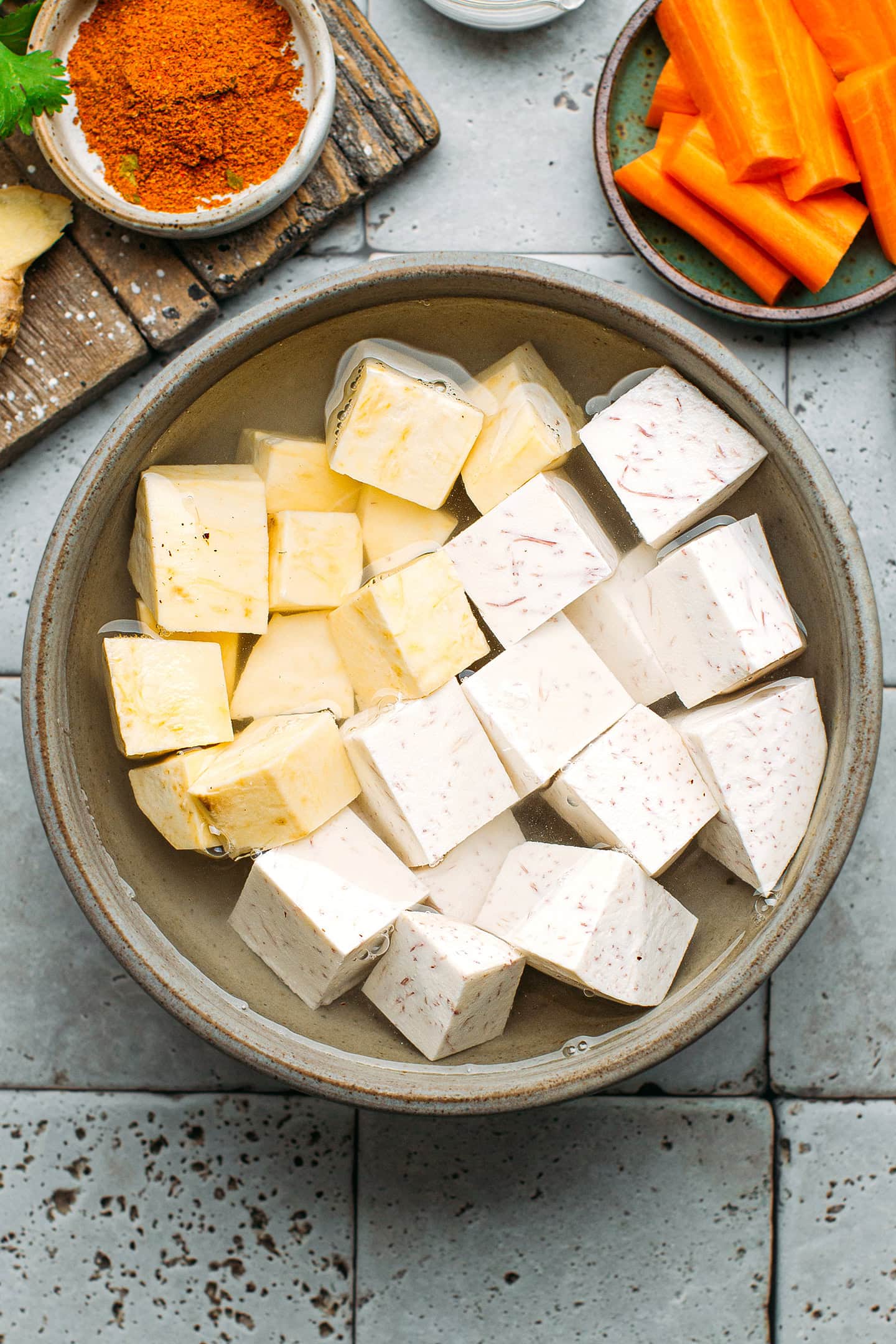
- Fry them. Heat 2 tablespoons of oil in a large non-stick skillet. Once hot, add the taro and sweet potatoes and pan-fry for 7-10 minutes, stirring from time to time, until they are golden brown on each side. Transfer to a plate lined with kitchen paper towels to remove the excess oil.
Air Fryer Option
Instead of pan-frying the taro and sweet potatoes, you can air-fry them! Toss the cubed taro and potatoes with a tablespoon of oil and air-fry for 8 minutes in a 355°F (180°C) preheated air fryer.
2. Sauté the aromatics
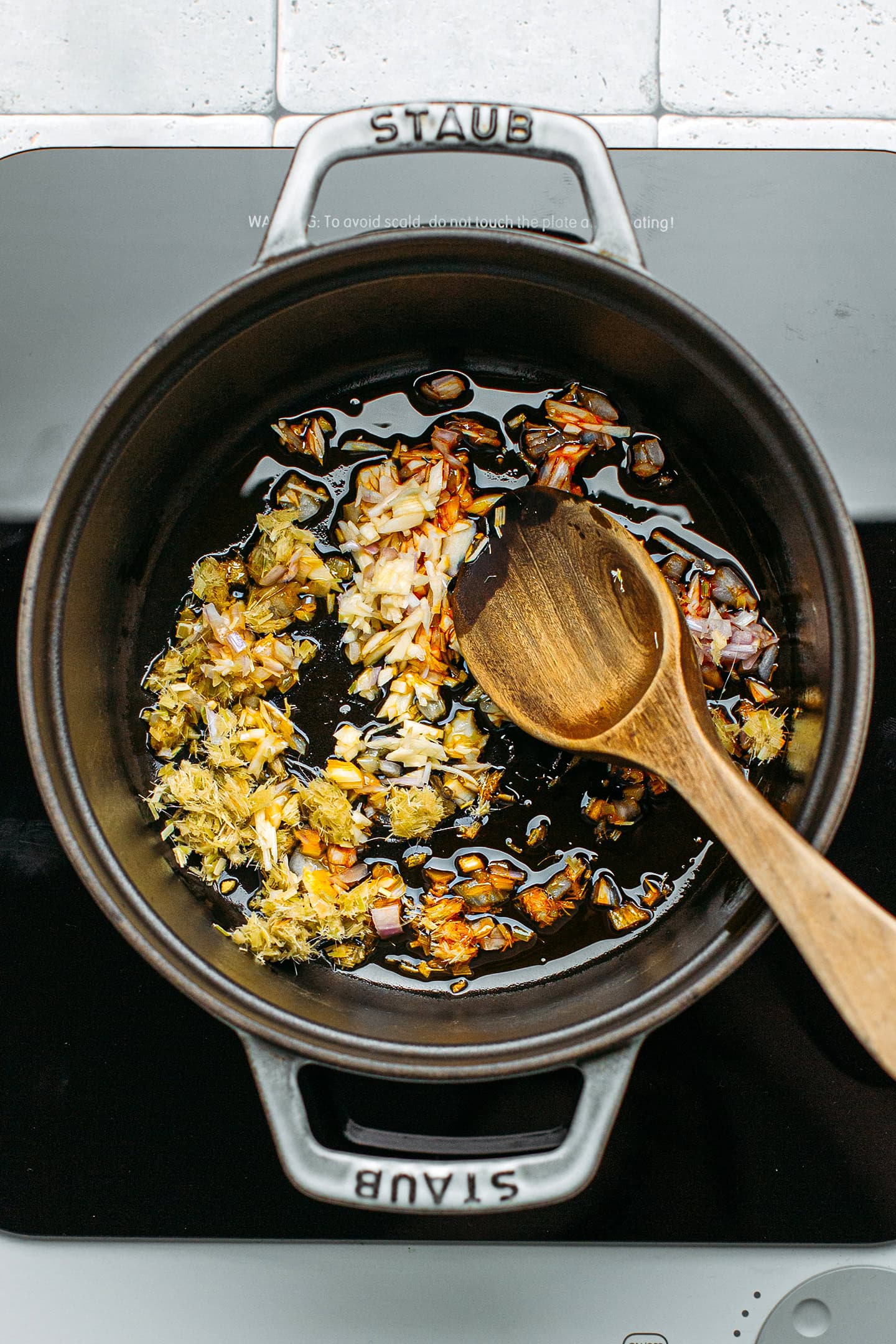
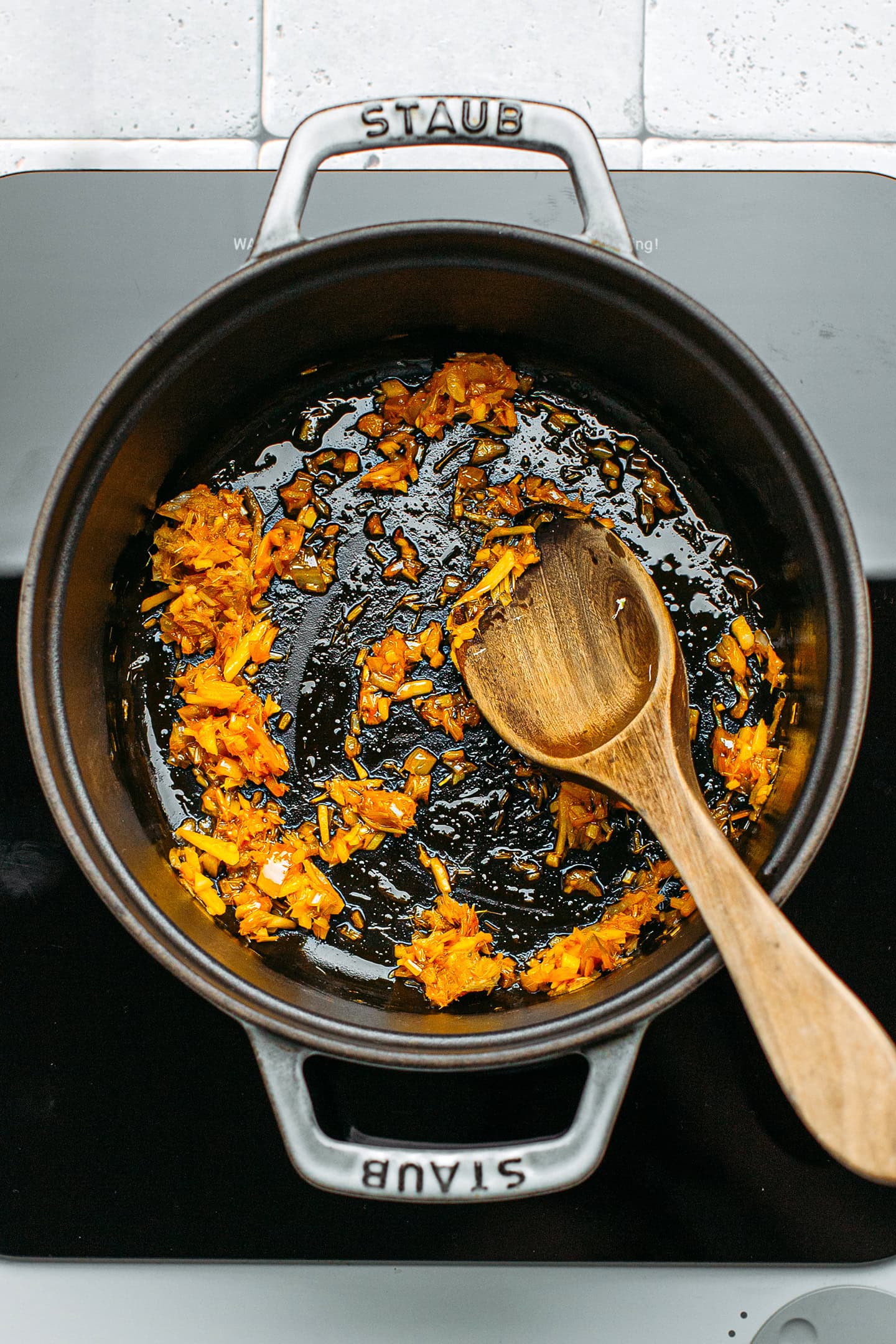
- Mince the aromatics. Mince the garlic, shallot, lemongrass, and ginger.
- Sauté. Next, heat a tablespoon of oil in a pot (I used a Dutch oven) over medium heat. Once hot, add the aromatics and sauté for about 2 minutes or until fragrant.
3. Cook the curry
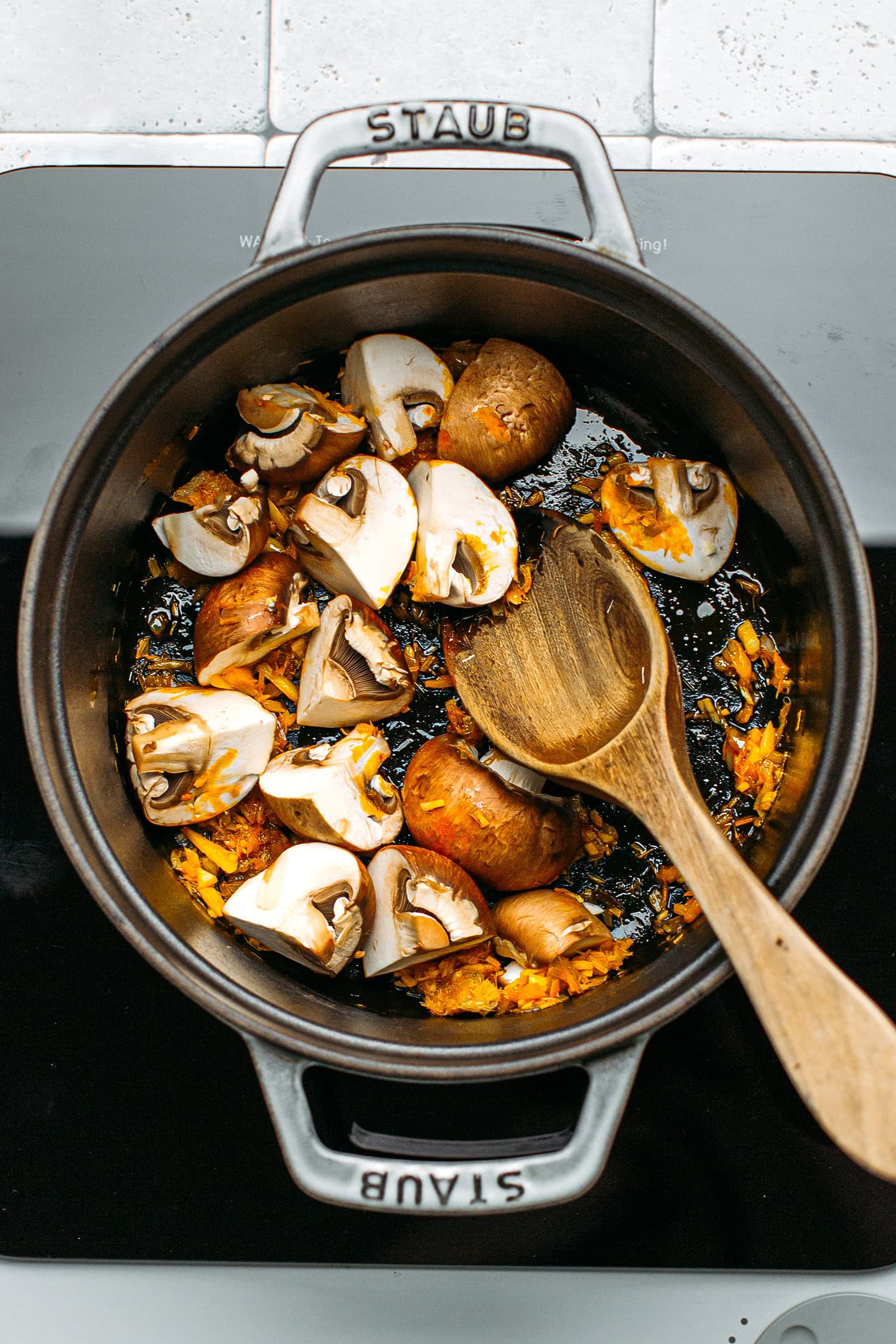
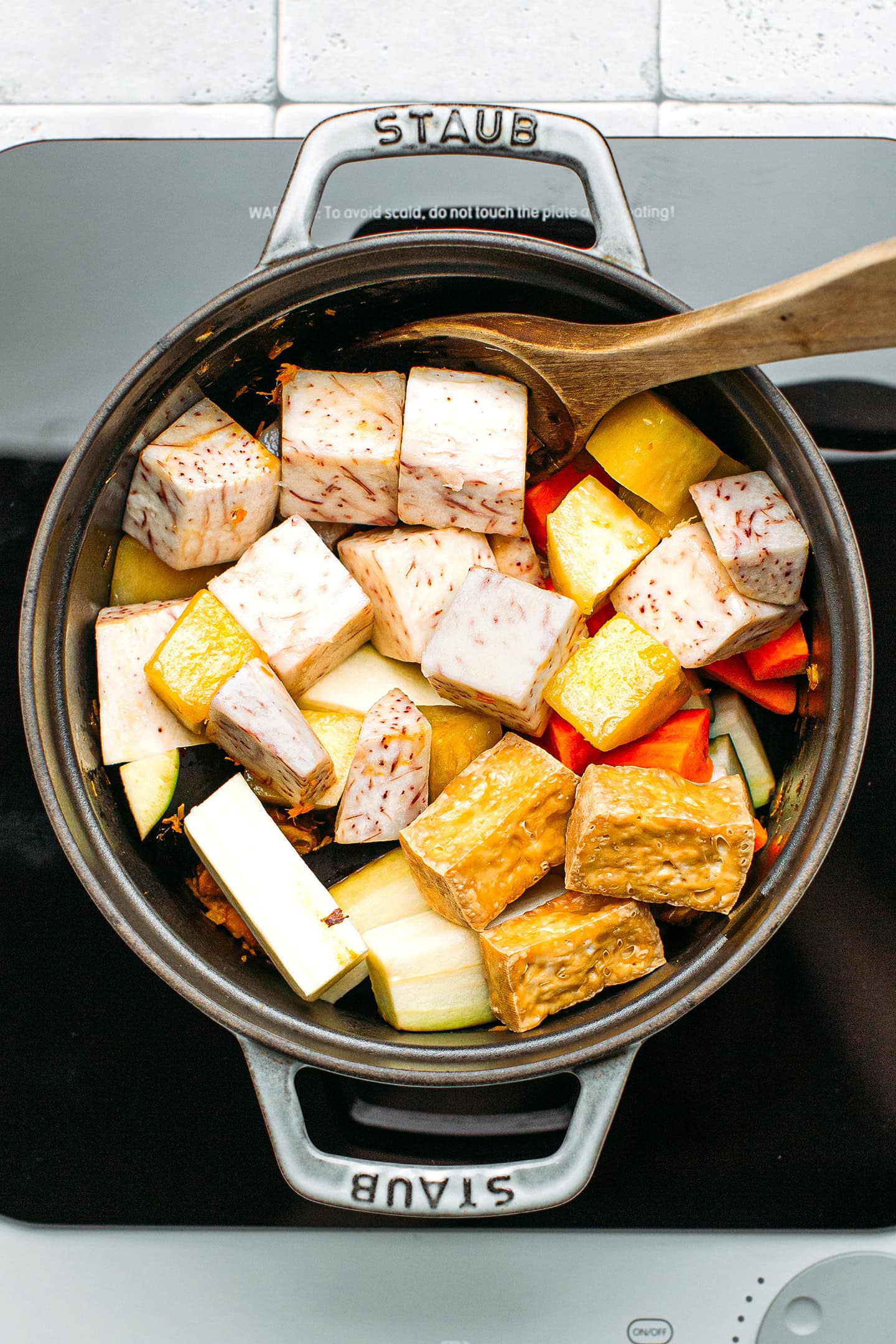
- Add the vegetables. Add the mushrooms and sauté for 2-3 minutes. Then, add the remaining vegetables: taro, sweet potatoes, baby potatoes, eggplants, and carrots. At this point, you can also add your vegan protein of choice, such as fried tofu, vegan chicken, seitan, etc.
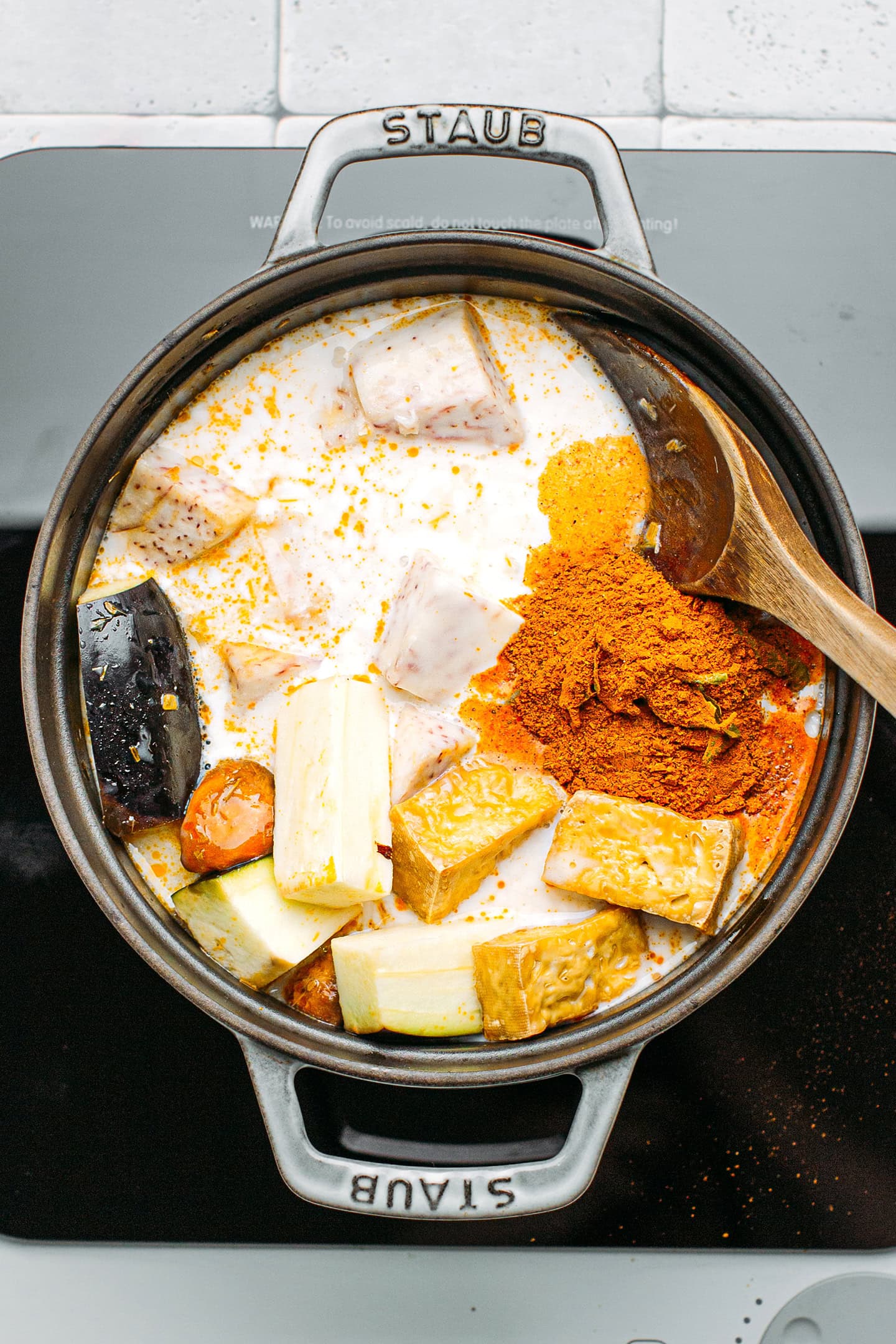
- Add the coconut milk and seasonings. To the pot, add the full-fat coconut milk, water, soy sauce, sugar, salt, and curry powder. Stir to combine.
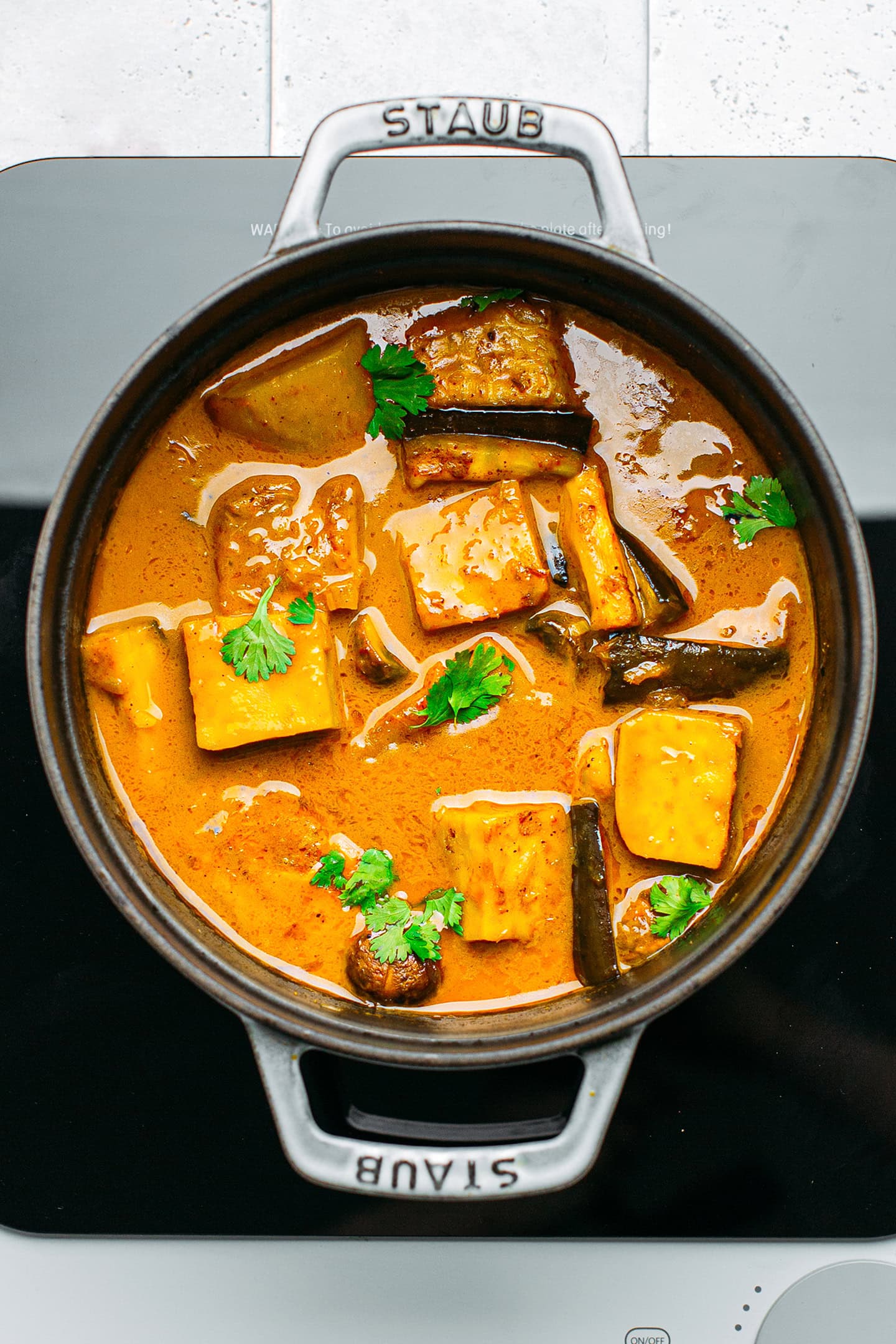
- Let simmer. Partially cover the pot with the lid and bring to a boil. Reduce the heat to a simmer and let simmer for 20-25 minutes or until the taro and sweet potatoes are tender.
- Garnish. Finally, top with fresh cilantro and a squeeze of lime juice, and enjoy!
📔 Tips
Cut into large chunks.
The shape you cut your vegetables doesn’t really matter – you can slice them into sticks or cubes. However, when it comes to the taro and potatoes, I highly recommend dicing them into large chunks of about 1-1.5 inches. This will prevent them from crumbling during cooking.
Use coconut water!
If you have coconut water in your fridge, use it in place of the water. That’s what my mother-in-law uses when she makes curry, and it does add extra sweetness and more complex flavors.
Cook partially covered.
Do not completely cover the pot with its lid during cooking. Allowing the curry to simmer partially covered prevents the steam from falling back into the curry – goodbye watery curry!
🔥 Variations
The best thing about this curry is that it’s super versatile. You can:
- Add different protein: For a meatier curry, feel free to add tofu, vegan chicken, vegan sausages, or your favorite meat substitute.
- Add more veggies: Bell peppers, butternut squash, cauliflower, or different types of mushrooms. I advise against using zucchini as it would make your curry watery.
- Add beans: Add cooked chickpeas, butter beans, or white navy beans.
- Make it spicier: Add a teaspoon or two of saté to make it spicy.
🍚 What to Serve It With
- Bread: Enjoy with a crusty baguette or bánh mì bread by dipping the bread into the curry sauce. This is definitely my favorite way to serve this curry!
- Rice: White rice (like this Clay Pot Rice) or brown rice for extra fiber.
- Noodles: Vietnamese also enjoy this curry served with “Bún,” which is a type of round rice noodle.
❄️ Storing and Reheating
- To store: You can store this curry for up to 3 days in the refrigerator.
- To freeze: Allow the curry to cool completely before transferring to a freezer-safe container. Freeze for up to 2 months.
- To reheat: You can reheat it over medium heat on the stovetop for 7-10 minutes.

💬 FAQ
If you use homemade Vietnamese curry powder, this curry is mildly spicy. If you use store-bought curry powder (the Ba Tam brand, for example), the curry will be slightly spicier.
Of course! This curry is super versatile, so feel free to use the vegetables you have on hand.
If you are looking for a hearty, cozy, and delicious one-pot meal, you are going to love this Vietnamese curry! It’s probably one of the recipes from the blog I make the most!


⭐️ Did you like this recipe? Let us know in the comments below, and tag us on Facebook, Instagram, or Pinterest!
Update July 2024: The recipe was first released in September 2020 and has been updated with brand-new photos and instructions.

Save this recipe!
Enter your email below and I’ll send it to your inbox!
Plus, you will receive new recipes every week!
Easy Vegan Vietnamese Curry
Ingredients
- 8 ounces (230 g) taro diced into 1-inch cubes
- 1/2 medium (140 g) white sweet potato diced into 1-inch cubes (about 1 cup diced)
- 1 tbsp (15 ml) oil use annatto oil for a deeper color
- 2 cloves of garlic minced
- 1 shallot finely diced
- 1 tbsp minced lemongrass
- 1/2 inch ginger grated
- 4-5 cremini mushrooms quartered
- 2 baby potatoes peeled
- 1/2 small (100 g) eggplant diced into 1.5-inch cubes or rectangles
- 1 medium carrot peeled and sliced into thick slices
- 1 cup (130 g) diced fried tofu optional
- 1 13.5-ounce can full-fat coconut milk
- 1 and 1/3 cup (315 ml) water
- 1 tbsp (15 ml) soy sauce
- 1 and 1/2 tbsp (25 g) sugar
- 3/4 tsp salt or more to taste
- 2 tbsp Vietnamese curry powder see notes
- optional: lime juice, fresh cilantro
Instructions
Fry the taro and potatoes
- Peel and slice the taro and sweet potatoes. Start by peeling the taro and sweet potatoes. Next, dice the taro and sweet potatoes into 1-inch cubes. Transfer to a bowl.
- Soak them. Cover the taro and sweet potatoes with cold water and allow them to soak for about 10 minutes. Rinse and pat them dry using kitchen paper towels.
- Fry them. Heat 2 tablespoons of oil in a large non-stick skillet. Once hot, add the taro and sweet potatoes and pan-fry for 7-10 minutes, stirring from time to time, until they are golden brown on each side. Transfer to a plate lined with kitchen paper towels to remove the excess oil.Air Fryer Option: Instead of pan-frying the taro and sweet potatoes, you can air-fry them! Toss the cubed taro and potatoes with a tablespoon of oil and air-fry for 8 minutes in a 355°F (180°C) preheated air fryer.
Cook the curry
- Sauté the aromatics. Heat a tablespoon of oil in a pot (I used a Dutch oven) over medium heat. Once hot, add the aromatics and sauté for about 2 minutes or until fragrant.
- Add the vegetables. Add the mushrooms and sauté for 2-3 minutes. Then, add the remaining vegetables: taro, sweet potatoes, baby potatoes, eggplants, and carrots. At this point, you can also add your vegan protein of choice, such as fried tofu, vegan chicken, seitan, etc.
- Add the coconut milk and seasonings. To the pot, add the full-fat coconut milk, water, soy sauce, sugar, salt, and curry powder. Stir to combine.
- Let simmer. Partially cover the pot with the lid and bring to a boil. Reduce the heat to a simmer and let simmer for 20-25 minutes or until the taro and sweet potatoes are tender.
- Garnish. Finally, top with fresh cilantro and a squeeze of lime juice, and enjoy!
- You can store this curry for up to 3 days in the refrigerator.
Notes
Cut into large chunks.
The shape you cut your vegetables doesn’t really matter – you can slice them into sticks or cubes. However, when it comes to the taro and potatoes, I highly recommend dicing them into large chunks of about 1-1.5 inches. This will prevent them from crumbling during cooking.Use coconut water!
If you have coconut water in your fridge, use it in place of the water. That’s what my mother-in-law uses when she makes curry, and it does add extra sweetness and more complex flavors.Cook partially covered.
Do not completely cover the pot with its lid during cooking. Allowing the curry to simmer partially covered prevents the steam from falling back into the curry – goodbye watery curry!Nutrition

About the Author
Thomas Pagot is the founder, photographer, and recipe developer behind Full of Plants. He created the blog in 2016 as a personal cookbook for vegan recipes. Through years of recipe development, Thomas has successfully grown Full of Plants into a trusted resource for plant-based recipes.
Leave a Comment