
This post may contain affiliate links. Please read our disclosure policy.
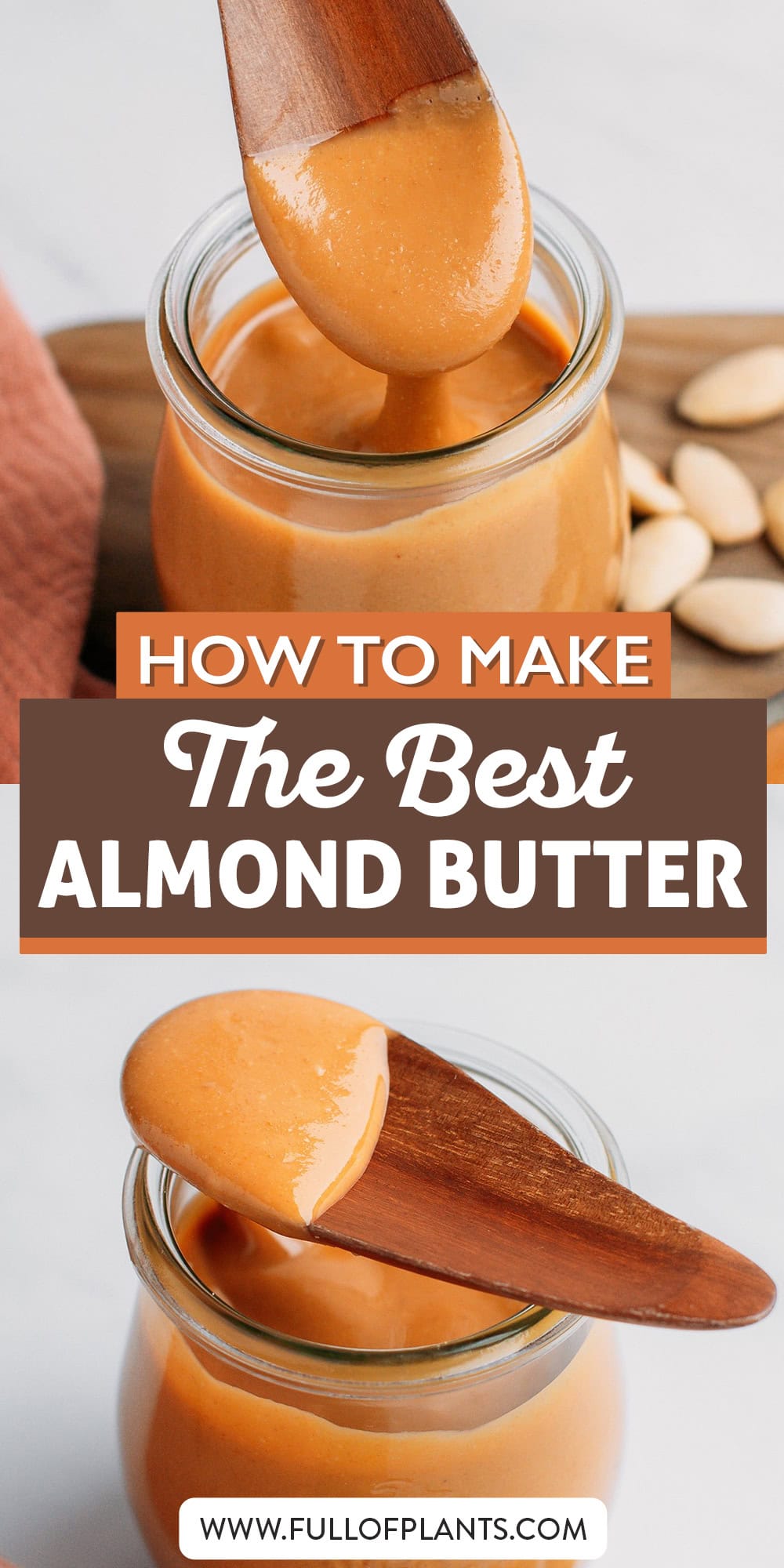
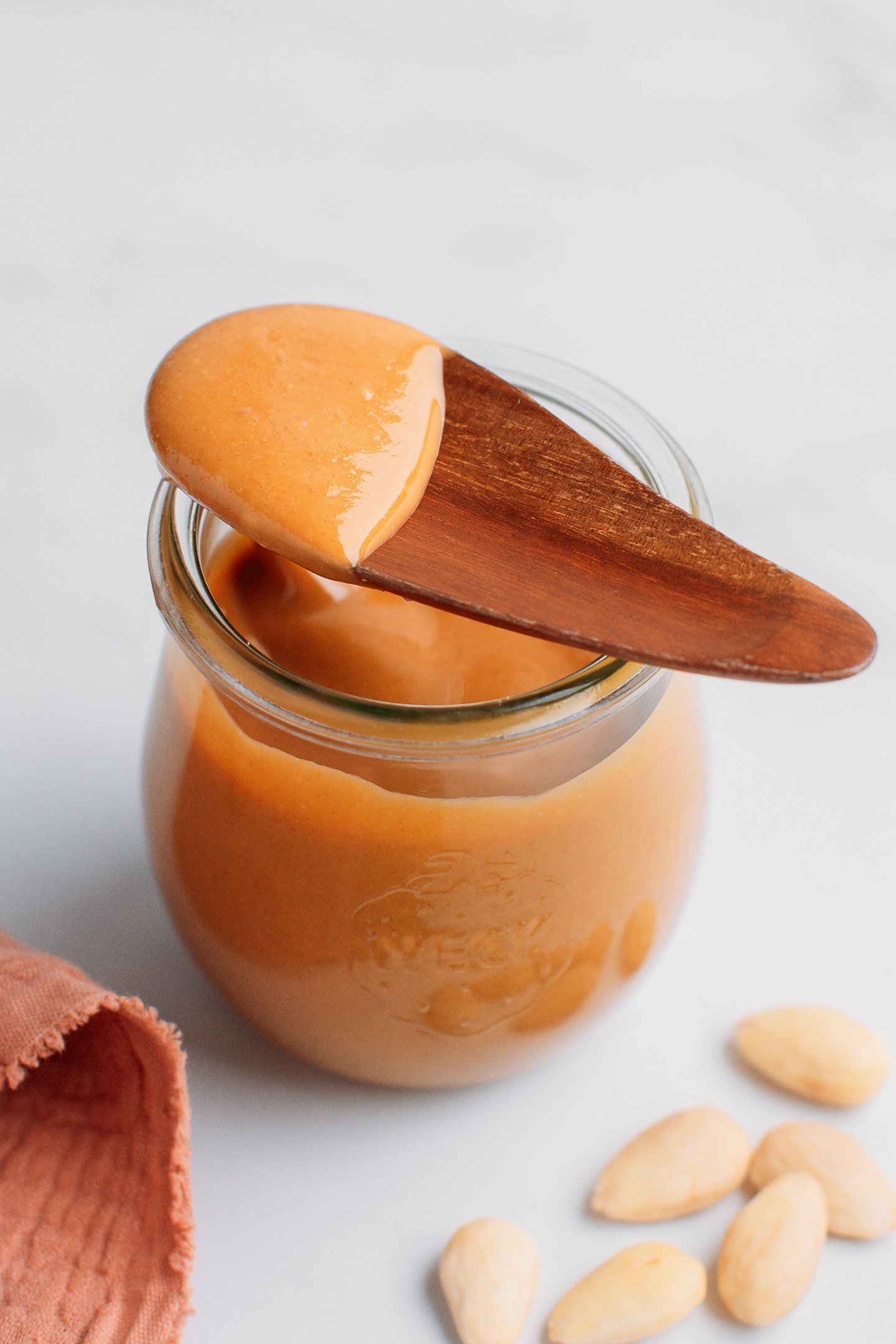
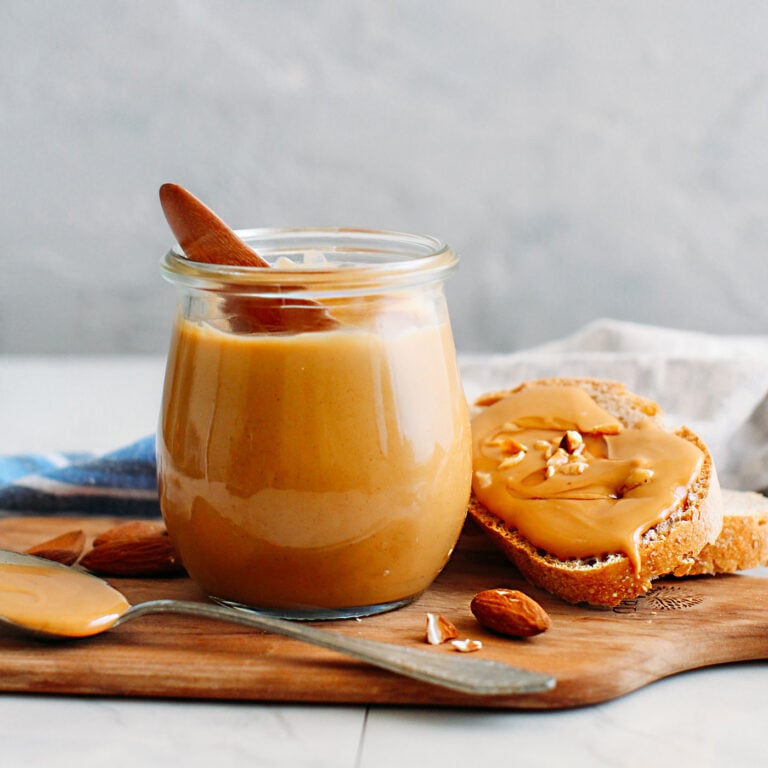
Made with slow-roasted almonds, a splash of maple syrup, and a pinch of salt, this roasted blanched almond butter is incredibly smooth, deeply nutty, and perfectly balanced between sweet and salty. Swirl it into oatmeal, spread on toast or crêpes, or even use it as a base to make sauces!
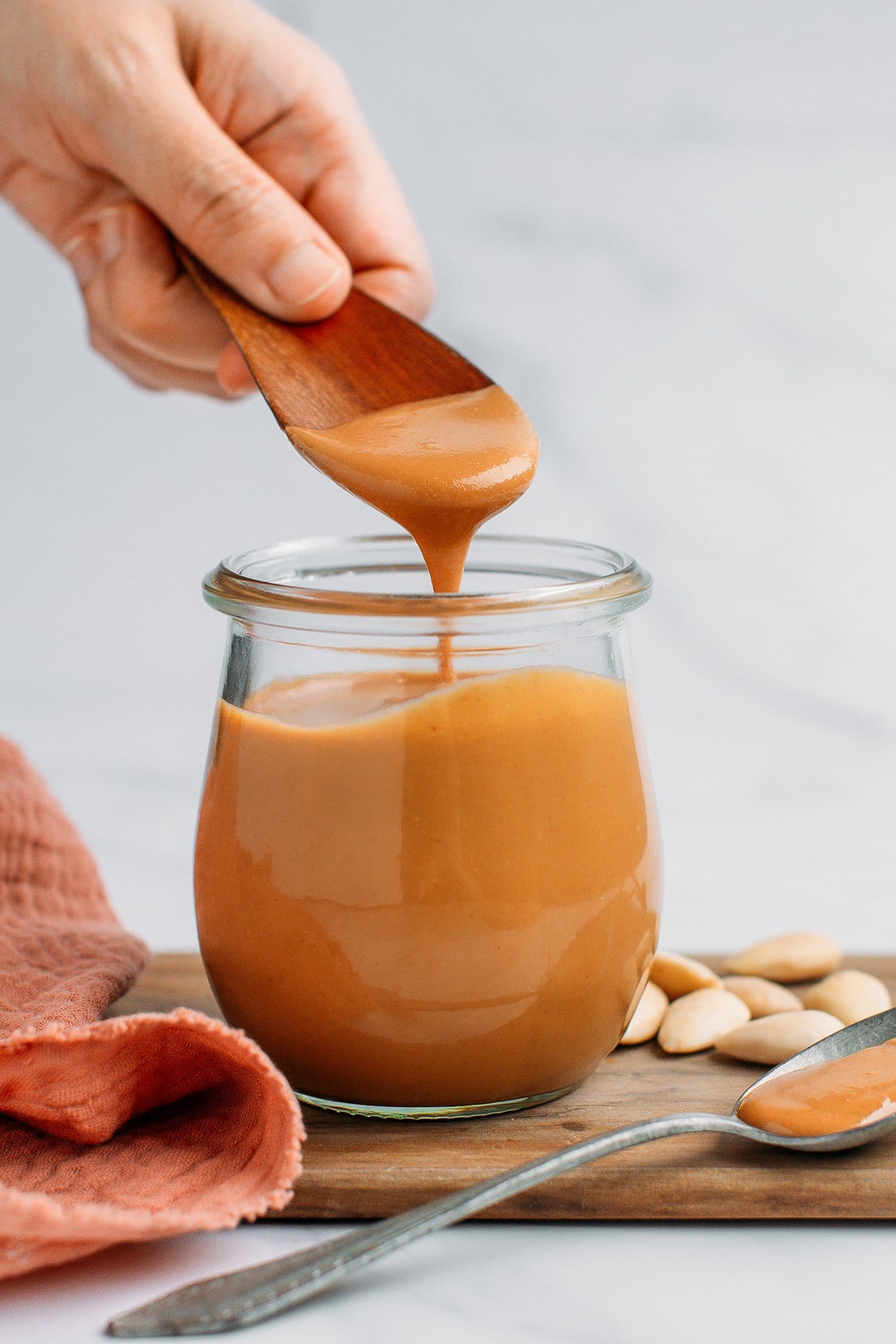
Do we need a guide on how to make almond butter? Absolutely! So many things can impact the result, including texture and flavor.
I have been improving my recipe each and every time until I made the best batch I have ever made.
The difference between this recipe and your basic almond butter lies in the ingredients and process. Here, I use blanched almonds that are slow-roasted for almost 2 hours with maple syrup and salt. It results in the smoothest and tastiest almond butter. Ever.
If you have ever tried Barney’s almond butter, this one is very similar but a bit thinner as it contains no palm oil or refined sugar. Let’s do it!
⭐️ Why It’s a Must-Try
Creamier, smoother, better than ever.
It’s time to say goodbye to gritty and bitter almond butter. I was not the biggest fan of almond butter myself until I tried blanched almond butter. And I’m not talking about the raw, bland kind with that pale beige color. Nope, I’m talking about the roasted, rich, nutty version!
My almond butter is exactly that – ultra creamy, perfectly nutty (think bold flavor without any bitterness), wonderfully rich, and balanced with just the right touch of sweetness and saltiness. I have no doubt that once you try it, you won’t go back to the regular kind!
4 ingredients. Simple process.
You will need only four ingredients: raw blanched almonds, maple syrup, oil, and salt. The process is easy – just toss the almonds with the rest of the ingredients, spread them out on a baking sheet, and roast until golden brown. After that, it’s just a matter of blending until you get a smooth, creamy almond butter!
Pro tip: Roasting time and temperature greatly impact the flavor of your almond butter. If you roast too briefly, the flavor will be flat. Too long, and you risk a bitter aftertaste. I had the best results by slow-roasting the almonds. This technique makes almonds evenly roasted from the inside out. Plus, you have fewer chances of burning them. Don’t worry, I will walk you through all the details in the instructions below!
Readers love it!
Don’t just take my word for it, see what readers are saying!
Ellie, a reader, said: “I can’t tell you how happy this recipe makes me! It’s AMAZING! I really disliked store-bought almond butter, but this stuff is even better than peanut butter! My cheap blender struggled mightily, however, so I’m already planning on getting a new one just to make more of this. ★★★★★”
Toastie said: “I followed the recipe precisely and the outcome was silky smooth golden almond butter with perfectly balanced flavours. Far better than any other almond butter I have tried. ★★★★★”
Birgit said: “Oh my! This is the most delicious almond butter I’ve ever had! Or any nut butter, for that matter! Kid approved, too, btw. Even the “I don’t like nut butter!” kid asked for it on bread with some homemade jelly! Thank you for the great recipe! ★★★★★”
📘 What Is Almond Butter?
Almond butter is a condiment made from either raw or roasted almonds processed into a paste. It’s similar to peanut butter but made with almonds!
🧺 A Quick Look at the Ingredients
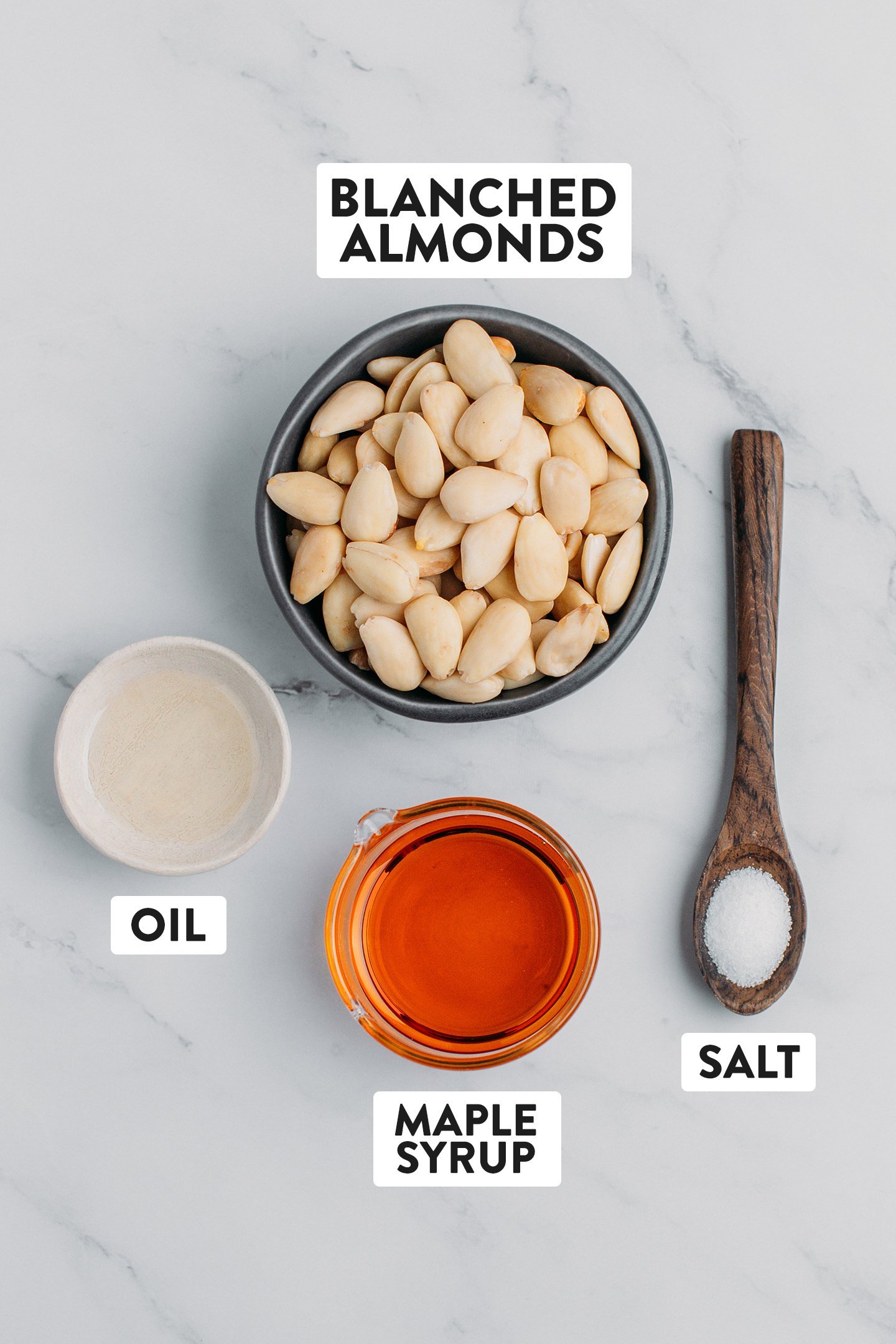
Almonds
The “secret” to get super smooth and delicious almond butter is to start with blanched almonds. Leaving the skin out gives you a creamier consistency (bye-bye grittiness!) and an overall better flavor.
I used to blanch almonds by myself, and trust me, it’s very time-consuming. Save yourself the time and effort by buying them already blanched. Totally worth it!
Best almonds to use: If you can find Marcona almonds, go for them. They are rounder and a bit sweeter than regular almonds. Don’t worry if you can’t get your hands on it, though. This recipe works great with traditional blanched almonds! Note: The almonds in the photos of this article are regular blanched almonds, but my favorites are still Marcona!
Love almonds? How about taking a look at my praliné paste recipe (caramelized hazelnuts + almonds) or these sweet and salty almonds!
Maple syrup
I use maple syrup to add a very subtle sweetness and help the almonds caramelize.
Substitute: Feel free to replace the maple syrup with agave syrup or regular granulated white sugar.
Oil
Not much, just a tablespoon to help the salt stick to the almonds during roasting.
Salt
A generous pinch of salt enhances the nuttiness of the almonds!
🥣 Here’s How to Do It
- Toss the almonds. In a large mixing bowl, combine the almonds, maple syrup, oil, and salt. Toss to coat.
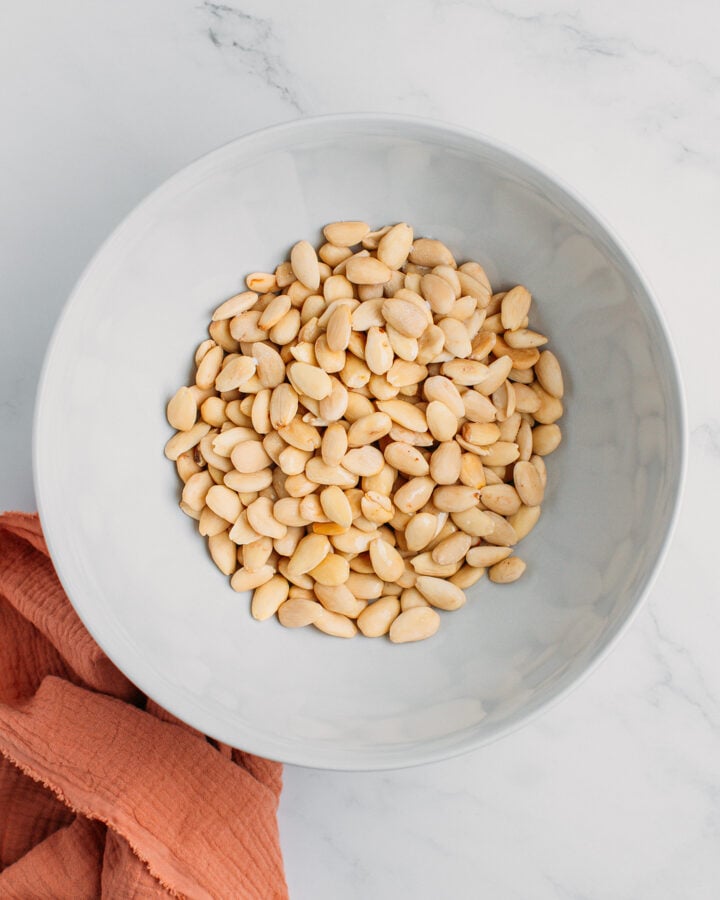
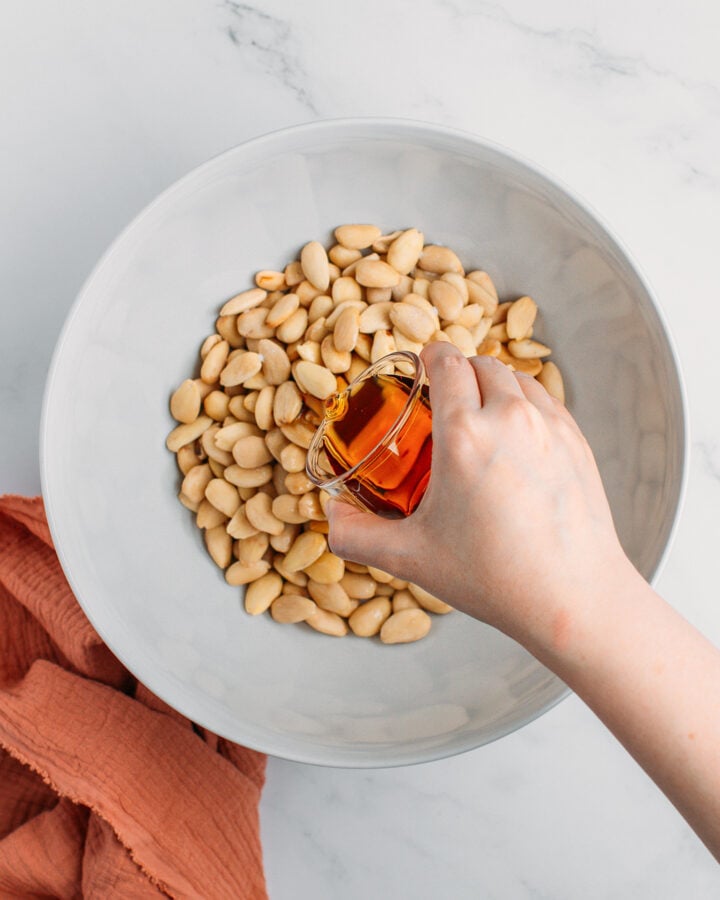
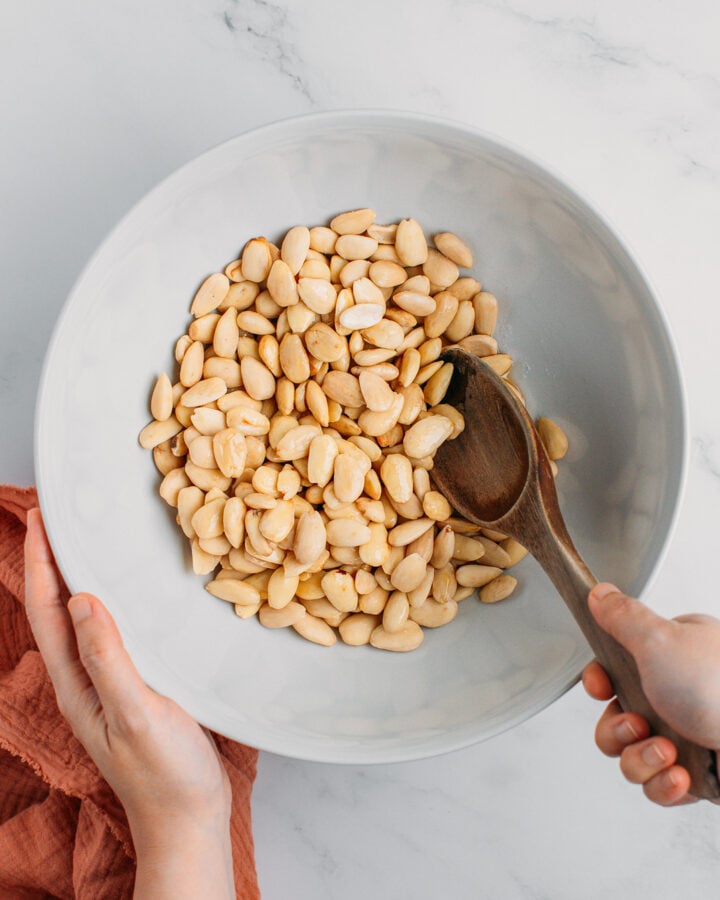
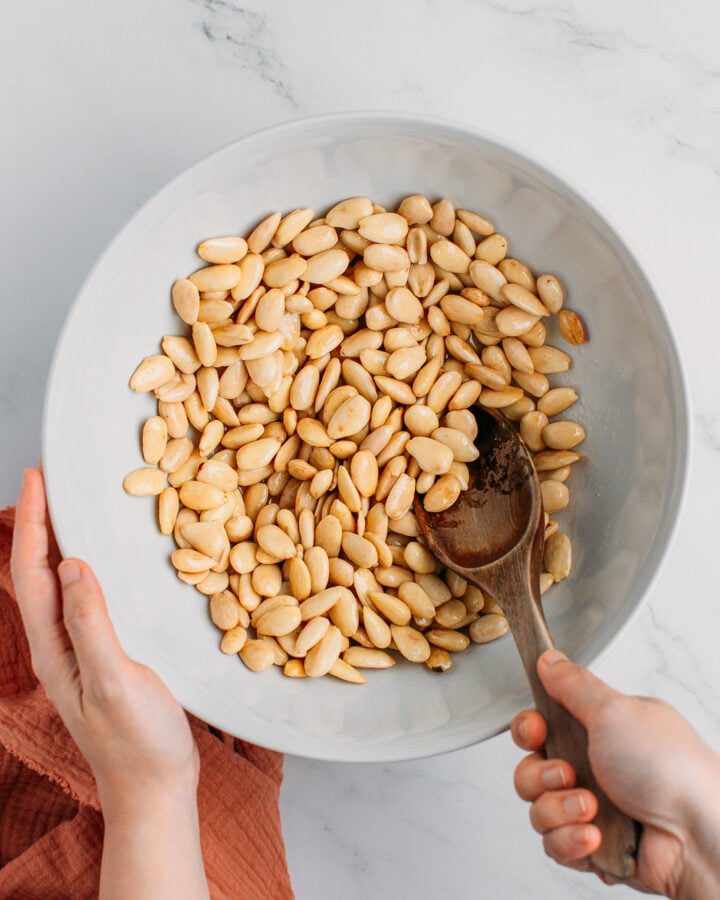
- Transfer to a baking sheet. Next, transfer the almonds to a baking sheet and spread them into an even layer.
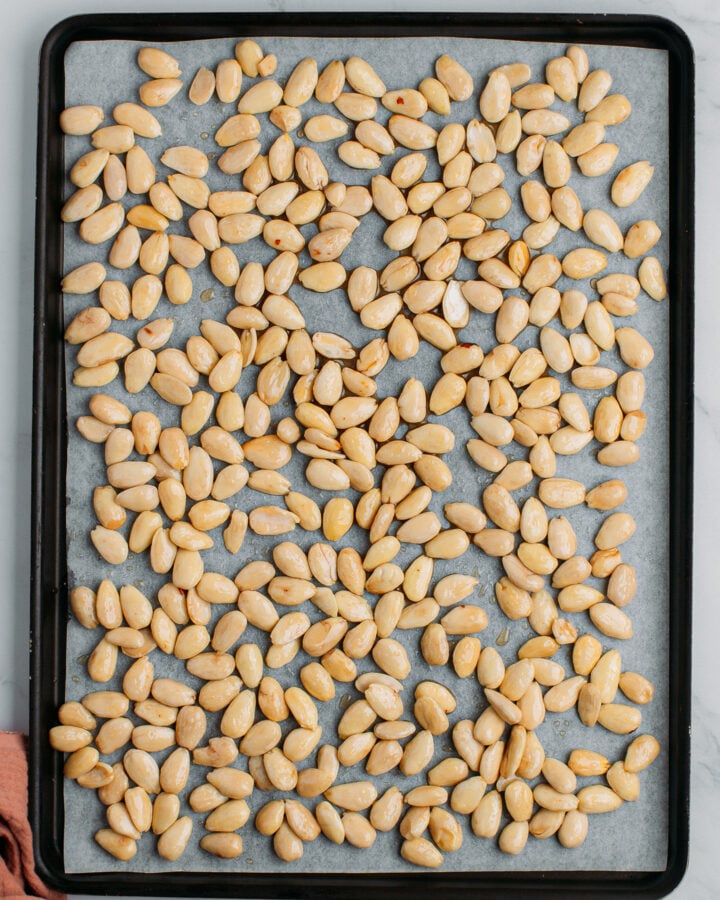
- Roast. Roast for roughly 1 hour and 50 minutes, stirring halfway through baking, or until the almonds are golden brown.
To ensure your almonds are perfectly roasted, remove one from the oven, let it cool for 3-5 minutes. Break it in half. It should snap, and the inside should be evenly golden brown. If it’s still pale in the center, roast for a few more minutes.
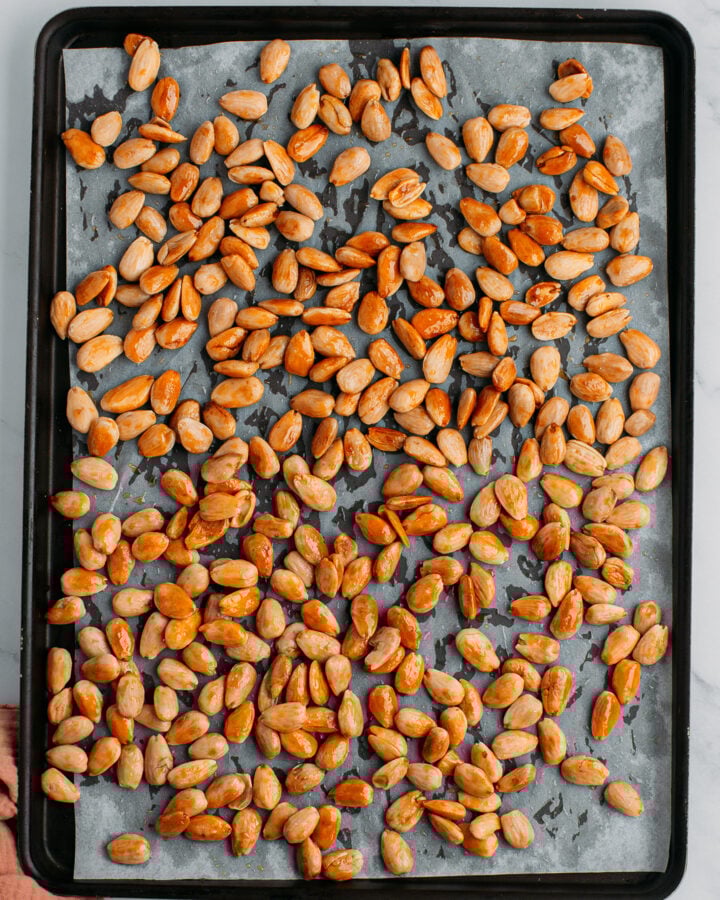
- Let them cool. Let the almonds cool for 10-15 minutes before transferring to a blender.
- Blend. Transfer the roasted almonds to a powerful blender. Blend at high speed for 5-8 minutes, scraping down the sides if needed, until it is very smooth. At first, it turns into a powder, then a thick paste, and finally into smooth butter. The longer your blend, the smoother the almond butter.
Blender vs. Food Processor
I have tried this recipe with both a blender and a food processor. Both work, but the blender is the best option as it yields a much smoother consistency.
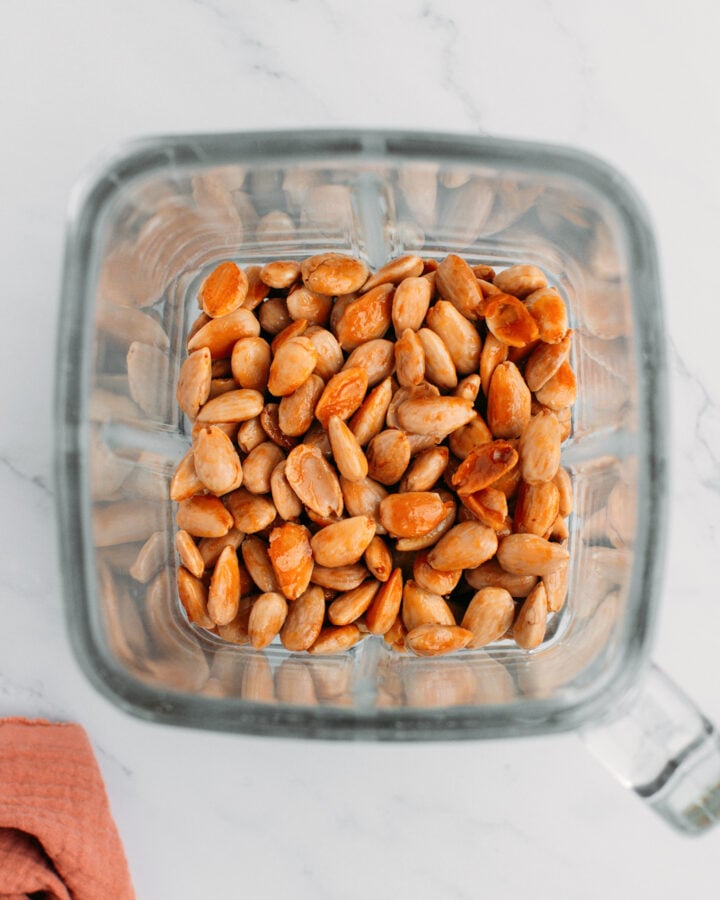
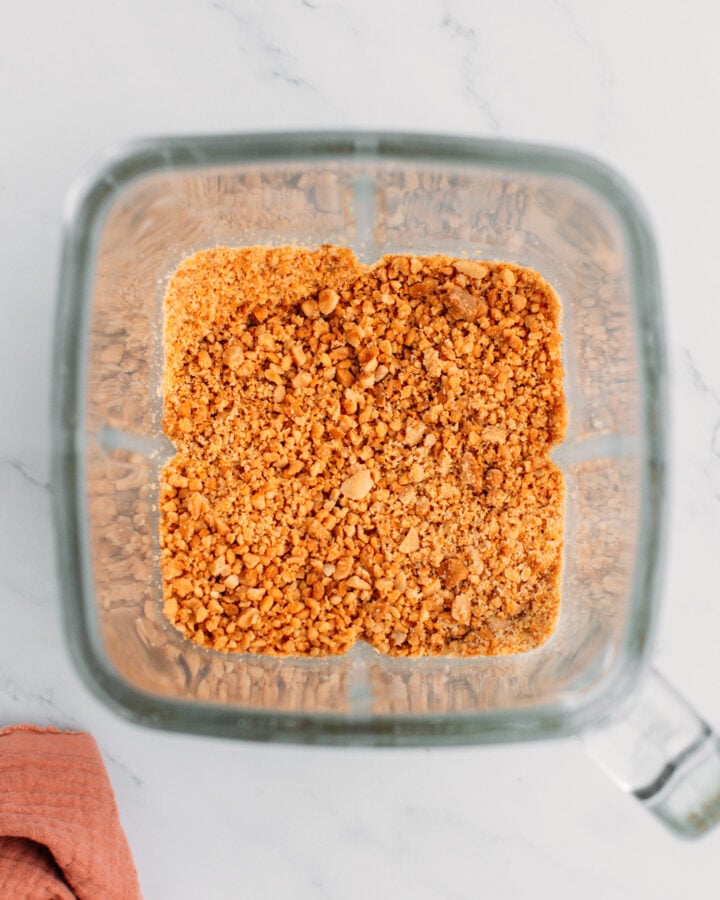
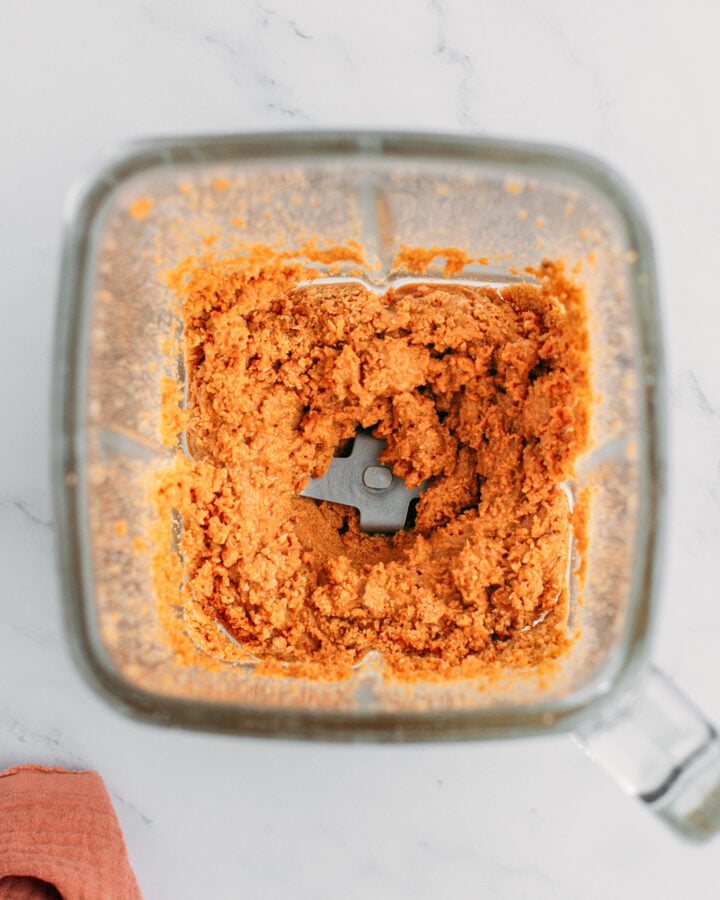
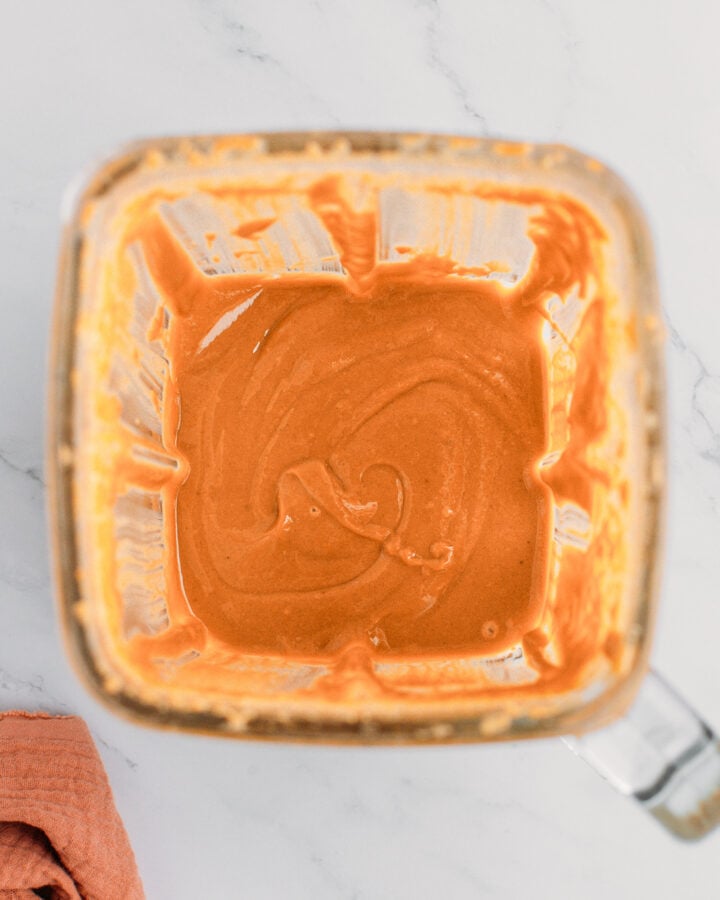

Don’t waste the leftovers!
After transferring your almond butter to a jar, you will probably have some sticking to the sides of your blender. Just add about 2 cups of water and blend for 10–15 seconds. You’ve got yourself a quick almond milk! Strain it through a fine mesh sieve and use it in baking, to cook your morning oats, or simply enjoy it on its own!
📔 Tips
Adjust the baking time.
Depending on the size of your almonds and your oven, you might have to slightly decrease the baking time. For Marcona almonds, I found the sweet spot to be 1 hour and 50 minutes. If you’re using smaller almonds, though, you’ll likely need to decrease baking time by about 15 minutes.
Use a powerful blender.
If you are using a basic smoothie blender, I would suggest skipping this recipe, as you might struggle to achieve a smooth consistency. With that being said, any good-quality blender will work great! For reference, I use a 1300W, and it took roughly 5 minutes for the almonds to turn into a thin paste.
Don’t be afraid to keep blending!
It might be tempting to stop blending once the almonds turn into a powder or a thick paste, but for that super smooth texture, you need to keep going. I’ve heard from a few readers that their almond butter turned out a bit grainy. That’s usually just because they didn’t blend long enough.
🍫 Tweak It!
Here are a few fun ways to customize it:
- Crunchy: Set aside about 1/2 cup of the almonds before blending the rest into a creamy butter. Next, add the almonds and blend for 5-7 seconds or until the almonds are roughly chopped. Alternatively, you can chop them by yourself and then add them to the almond butter.
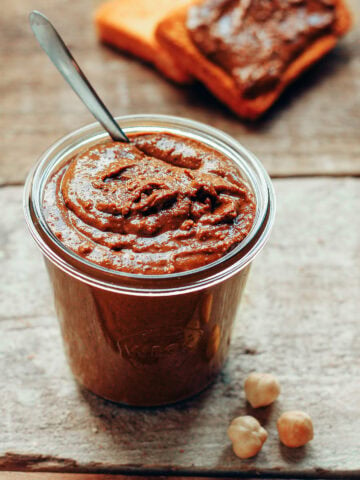
- Vanilla: Add either a teaspoon of vanilla extract or the seeds from one vanilla bean before blending.
- Chocolate: Add 2-3 tablespoons of unsweetened cocoa powder.
😋 What to Enjoy It With
You can use this almond butter basically anywhere you would use peanut butter. This means you can use it to make almond butter and jelly sandwiches, smoothies, drizzle on top of crêpes or waffles, or add a dollop to your morning oatmeal!
It also works great in salad dressings or pasta sauces!
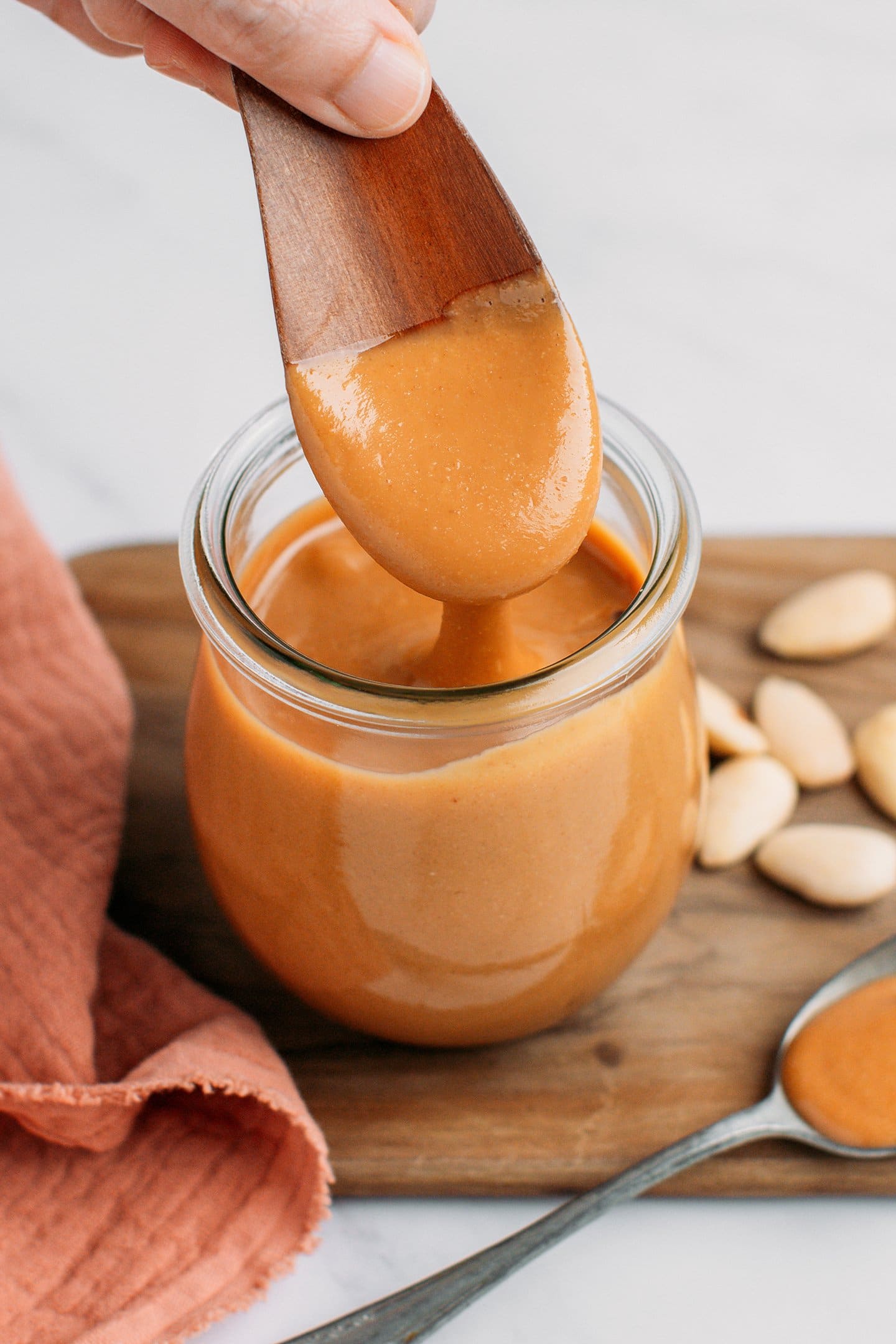
❄️ Storing
- To store: You can store this almond butter for several months at room temperature. Keep in mind that the oil might separate after a few weeks. This is normal. Just give it a good stir.
💬 FAQs
It’s not. You can barely taste any sweetness. The maple syrup just helps create a hint of caramelized flavor and balance the subtle bitterness of the almonds.
Yes, you can completely omit the maple syrup for sugar-free almond butter.
Sure! Once your almond butter has reached a smooth consistency, add 1-3 tablespoons of powdered sugar and blend for another 10-15 seconds. Do not try adding any liquid sweetener, as this would cause the almond butter to thicken into a grainy paste.



Save this recipe!
Enter your email below and I’ll send it to your inbox!
Plus, you will receive new recipes every week!
How to Make the Best Almond Butter
Ingredients
- 2 cup (300 g) raw blanched almonds (Marcona if possible)
- 3 tbsp (45 ml) maple syrup
- 1 tbsp (15 ml) oil
- 1/4 tsp sea salt
Instructions
- Preheat your oven to
 240 °F (115°C). Line a baking sheet with parchment paper and set aside.
 - Toss the almonds. In a large mixing bowl, combine the almonds, maple syrup, oil, and salt. Toss to coat.
- Transfer to a baking sheet. Next, transfer the almonds to the prepared baking sheet and spread them into an even layer.
- Roast. Roast for roughly 1 hour and 50 minutes, stirring halfway through baking, or until the almonds are golden brown.Note: To ensure your almonds are perfectly roasted, remove one from the oven, let it cool for 3-5 minutes. Break it in half. It should snap, and the inside should be evenly golden brown. If it’s still pale in the center, roast for a few more minutes.
- Let them cool. Let the almonds cool for 10-15 minutes before transferring to a blender.
- Blend. Transfer the roasted almonds to a powerful blender. Blend at high speed for 5-8 minutes, scraping down the sides if needed, until it is very smooth. At first, it turns into a powder, then a thick paste, and finally into smooth butter. The longer your blend, the smoother the almond butter.
- Transfer the almond butter to a clean glass jar. You can store this almond butter for several months at room temperature. Keep in mind that the oil might separate after a few weeks. This is normal. Just give it a good stir.

Notes
Adjust the baking time.
Depending on the size of your almonds and your oven, you might have to slightly decrease the baking time. For Marcona almonds, I found the sweet spot to be 1 hour and 50 minutes. If you’re using smaller almonds, though, you’ll likely need to decrease baking time by about 15 minutes.Use a powerful blender.
If you are using a basic smoothie blender, I would suggest skipping this recipe, as you might struggle to achieve a smooth consistency. With that being said, any good-quality blender will work great! For reference, I use a 1300W, and it took roughly 5 minutes for the almonds to turn into a thin paste.Don’t be afraid to keep blending!
It might be tempting to stop blending once the almonds turn into a powder or a thick paste, but for that super smooth texture, you need to keep going. I’ve heard from a few readers that their almond butter turned out a bit grainy. That’s usually just because they didn’t blend long enough.Nutrition
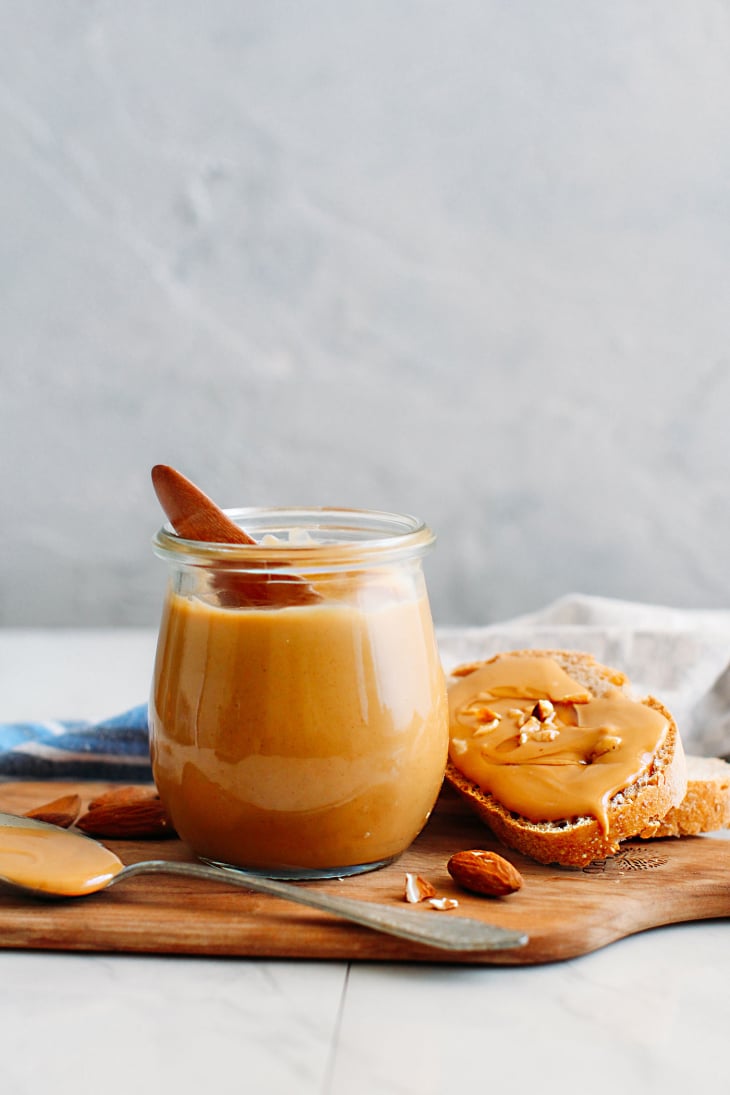
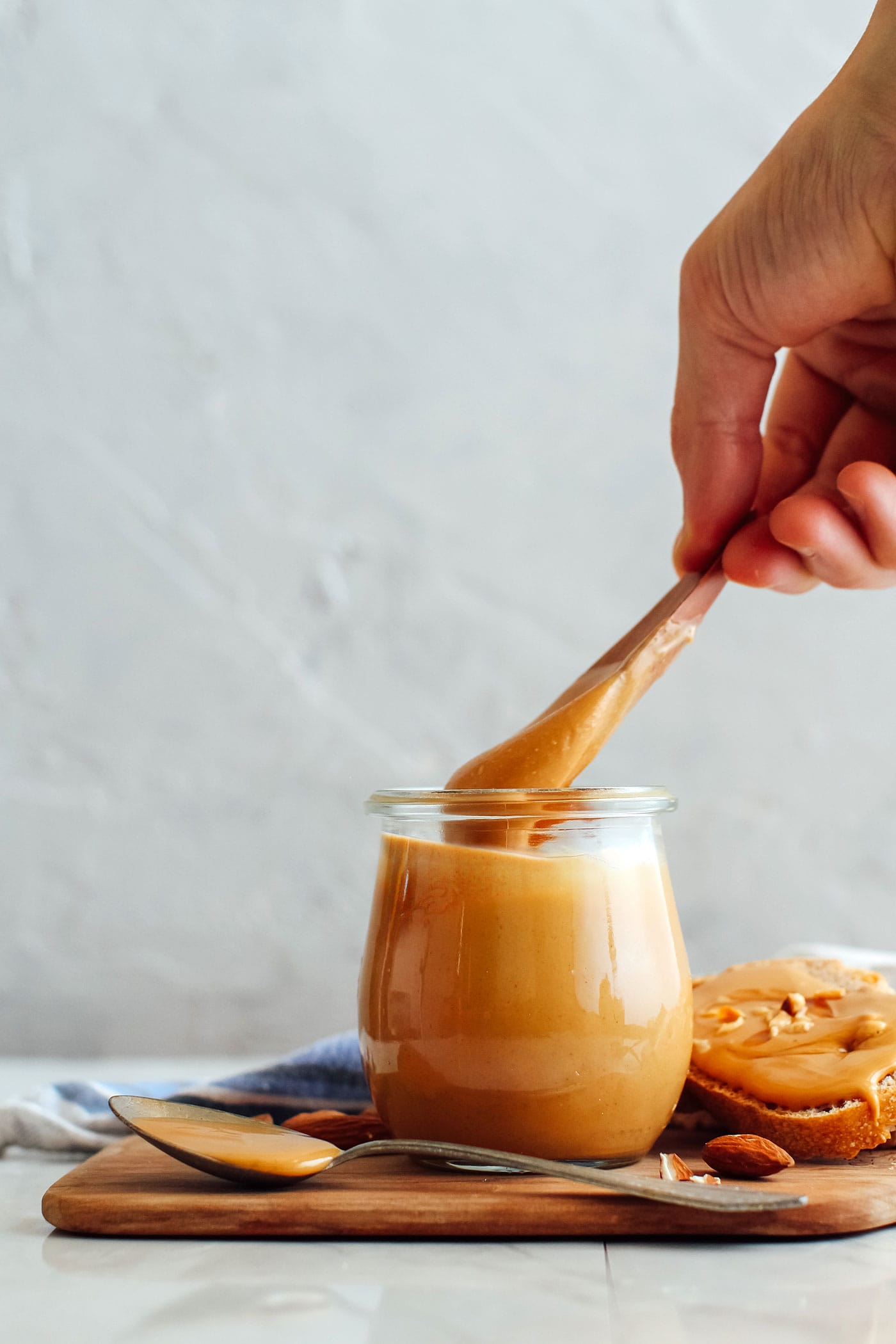
Note: This recipe was first released in July 2018 and updated with new process shots and detailed instructions in June 2025. You can see the older photos below.

About the Author
Thomas Pagot is the founder, photographer, and recipe developer behind Full of Plants. He created the blog in 2016 as a personal cookbook for vegan recipes. Through years of recipe development, Thomas has successfully grown Full of Plants into a trusted resource for plant-based recipes.
Leave a Comment